After braces or Invisalign®, retainers help hold your teeth in their new positions while the surrounding bone and tissues adjust. Wearing your retainer as directed is an important part of maintaining your orthodontic results.
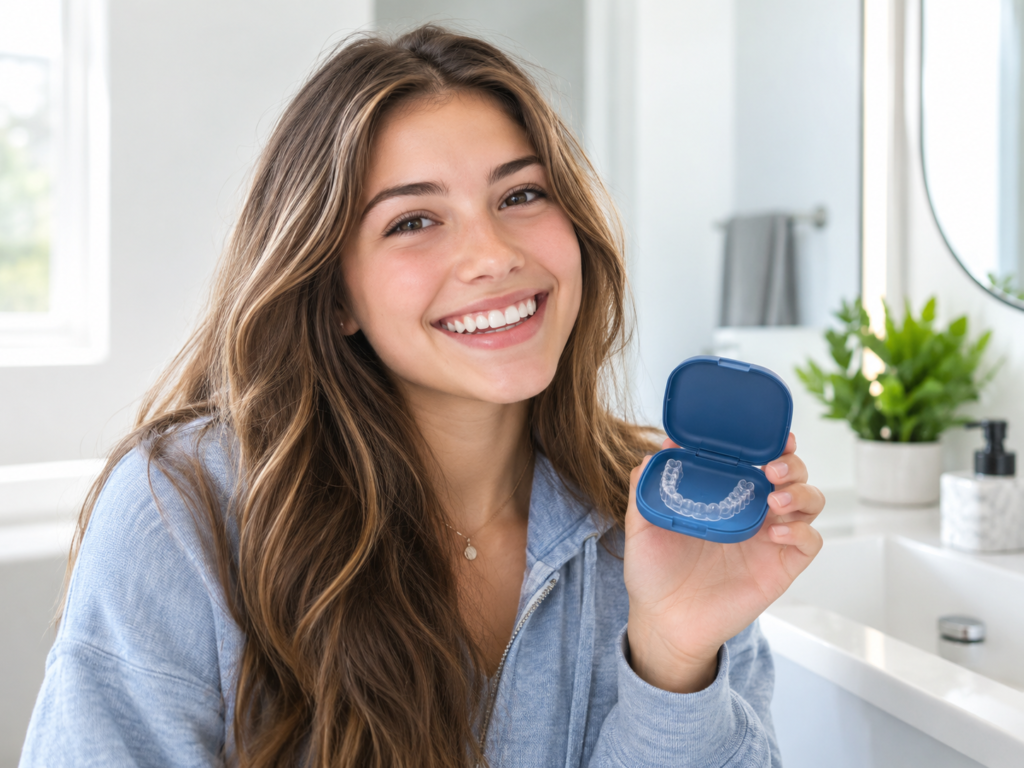
Teeth naturally have a tendency to shift over time, especially after orthodontic treatment. Retainers help stabilize your results and reduce the chance of unwanted movement after braces or clear aligners are finished.
Retainers help maintain the tooth positions achieved during orthodontic treatment.
The bone and tissues around your teeth need time to adjust after active tooth movement is complete.
Consistent retainer wear can help reduce unwanted tooth movement and preserve your smile long term.
Your orthodontist will recommend the type of retainer that is most appropriate for your teeth, bite, and treatment.
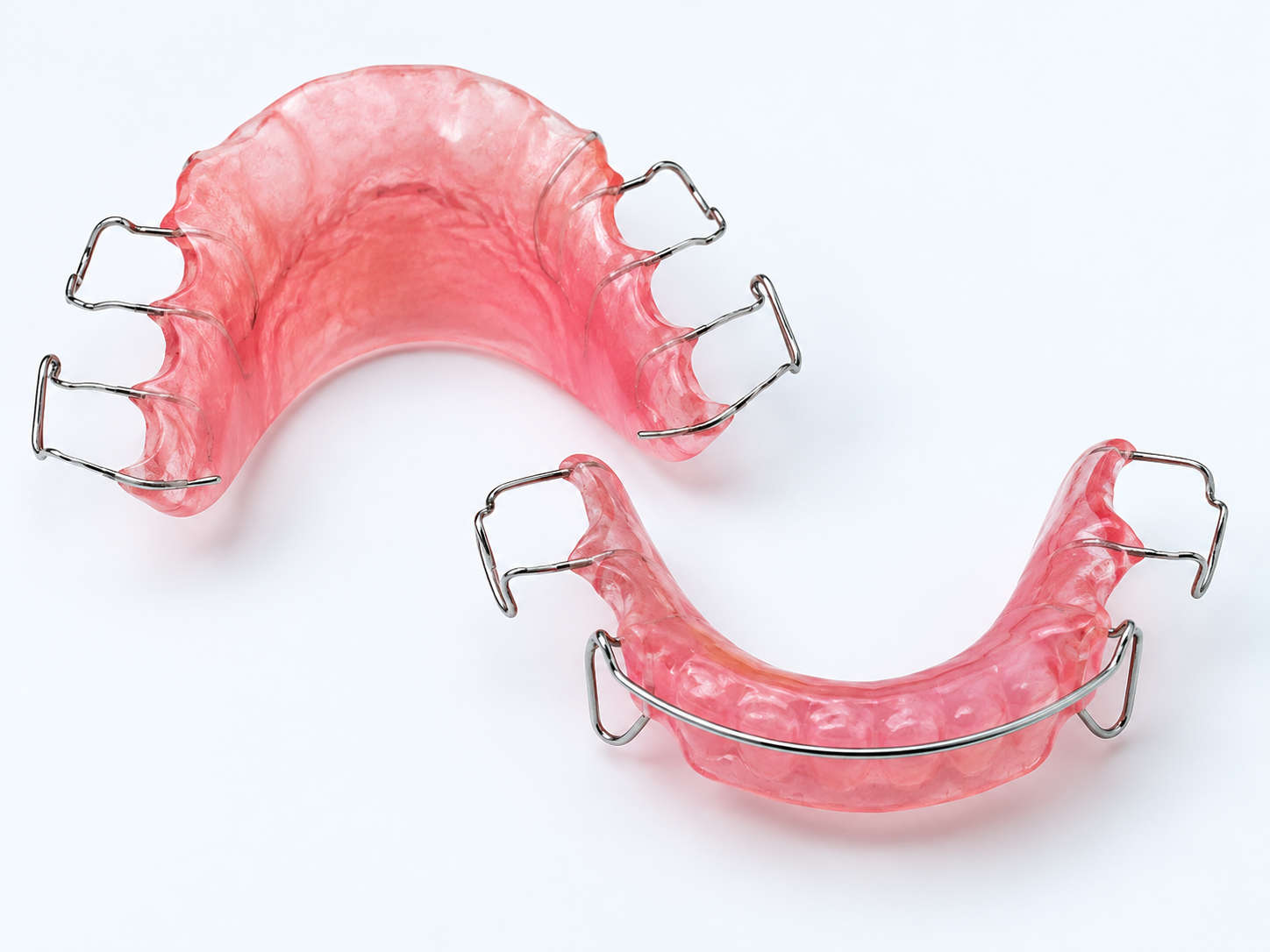
Hawley retainers use a combination of acrylic and wire and can be removed for eating, brushing, and cleaning.
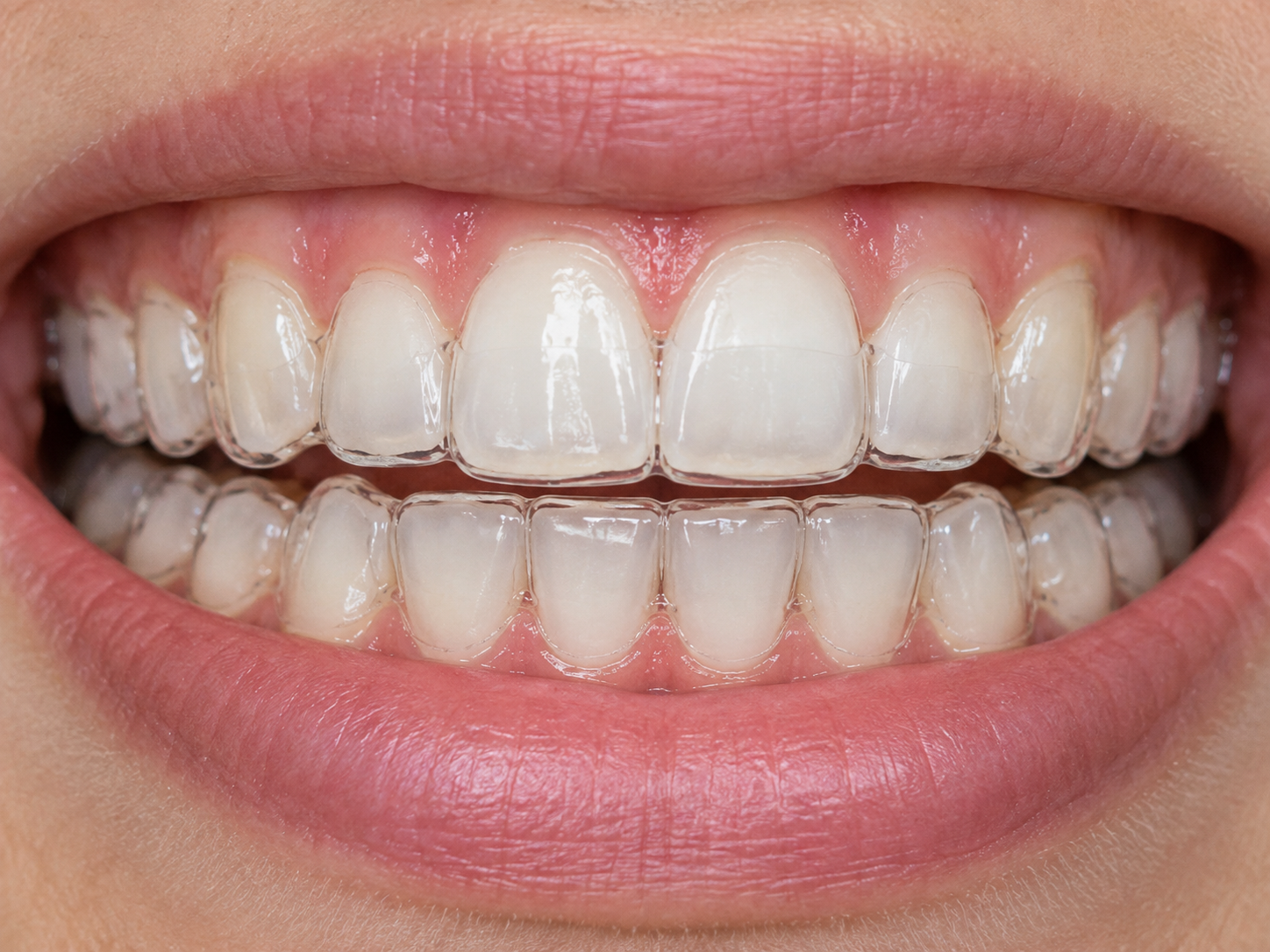
Clear removable retainers fit closely over the teeth and are designed to help maintain alignment after treatment.
Retainer wear varies from patient to patient. Your orthodontist will give you specific instructions based on your treatment and how stable your teeth are after braces or Invisalign®.
You may be asked to wear your retainer for most of the day and night during the initial retention period.
As your teeth become more stable, your orthodontist may reduce wear to nighttime only.
Teeth can continue to shift throughout life, so ongoing nighttime retainer wear may be recommended to help maintain your results.
Rinse and clean your retainer as directed to help remove plaque, food debris, and buildup.
Rinse and clean your retainer as directed to help remove plaque, food debris, and buildup.
Whenever your removable retainer is not in your mouth, keep it safely stored in its case.
Do not place your retainer in hot water or leave it in a hot car, since heat can distort the material.
Dogs and other pets are often attracted to retainers, so keep the case in a secure location.
Retainer problems are easier to address when you contact our office early. Waiting too long may allow your teeth to begin shifting.
Contact our office as soon as possible so we can determine whether a replacement is needed.
Stop using a damaged retainer if it has sharp edges or no longer fits properly, and contact our orthodontic team.
A retainer that feels unusually tight may be a sign that your teeth have started to shift. Do not force it if it does not seat properly.
Retainers can be lost, damaged, or worn over time. Our Retainer Insurance program may help make replacement retainers more convenient and affordable.
Learn more about orthodontic treatment options and how to protect your smile after treatment is complete.
Clear aligners may be an alternative to braces for many teens and adults.
Help protect against the cost of lost, damaged, or worn retainers with our Retainer Insurance program.
Compare metal braces, crystal clear braces, and clear aligner treatment.
Wearing and caring for your retainer is one of the most important ways to maintain your orthodontic results. Our team is here to help if you have questions, need a replacement, or are concerned about your retainer fit.
