
Invisalign is an orthodontic treatment that uses a series of custom-made clear aligners to gradually move the teeth into better alignment.
The aligners are removable and designed to fit closely over the teeth, making them a more discreet alternative to traditional braces for many teens and adults.

Invisalign treatment uses a planned series of aligners, with each set designed to make small, controlled changes to tooth position.
Your orthodontist will evaluate your teeth and bite and may use digital scans, photographs, and X-rays to develop your treatment plan.
You will wear a series of custom clear aligners, changing to the next set as directed by your orthodontist.
Regular orthodontic visits allow your doctor to monitor tooth movement and make sure treatment is progressing as planned.
Invisalign may be an option for many common orthodontic concerns, depending on the complexity of the case and your treatment goals.
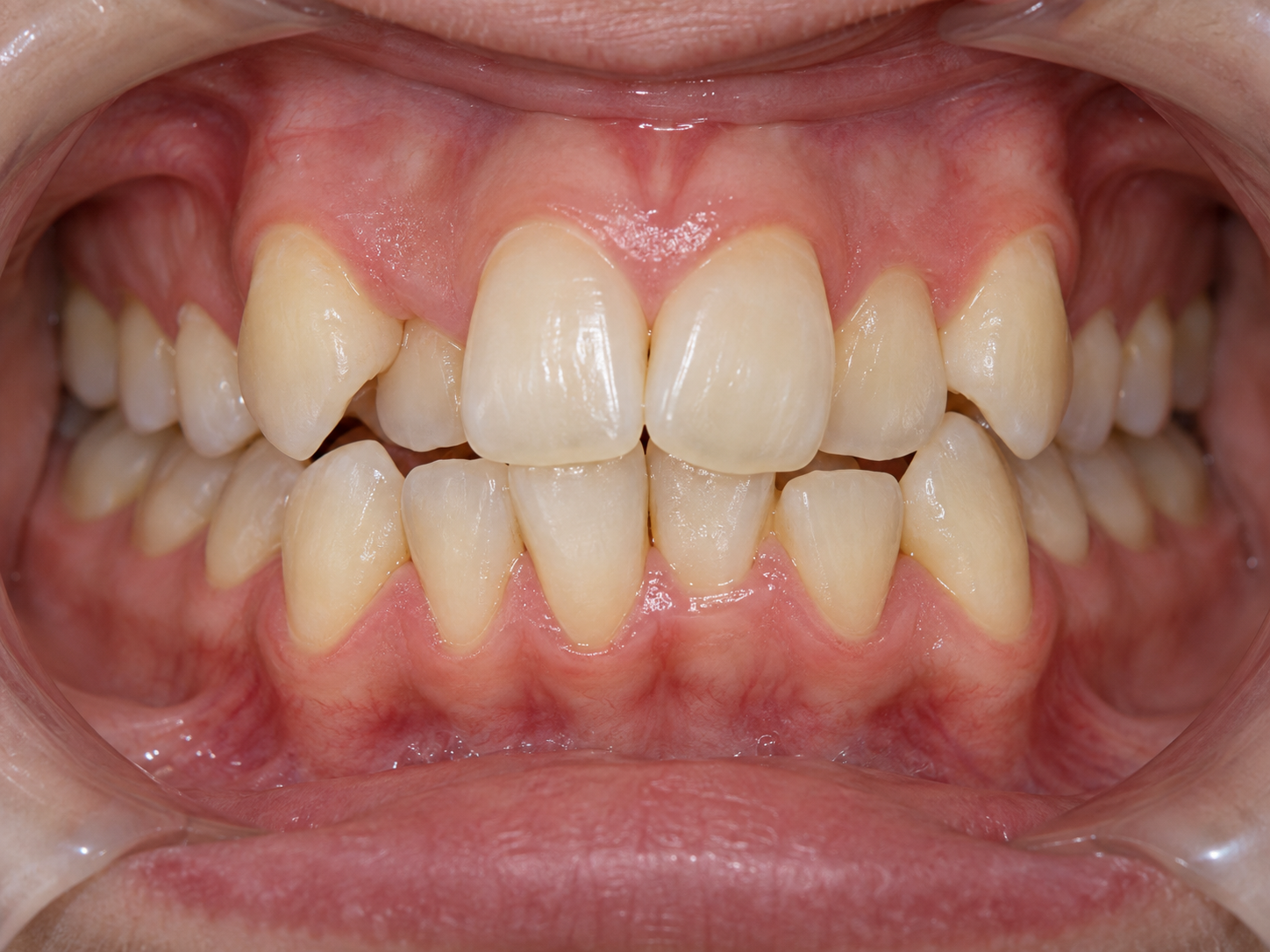
Clear aligners can help create space and improve the alignment of teeth that overlap or do not have enough room.
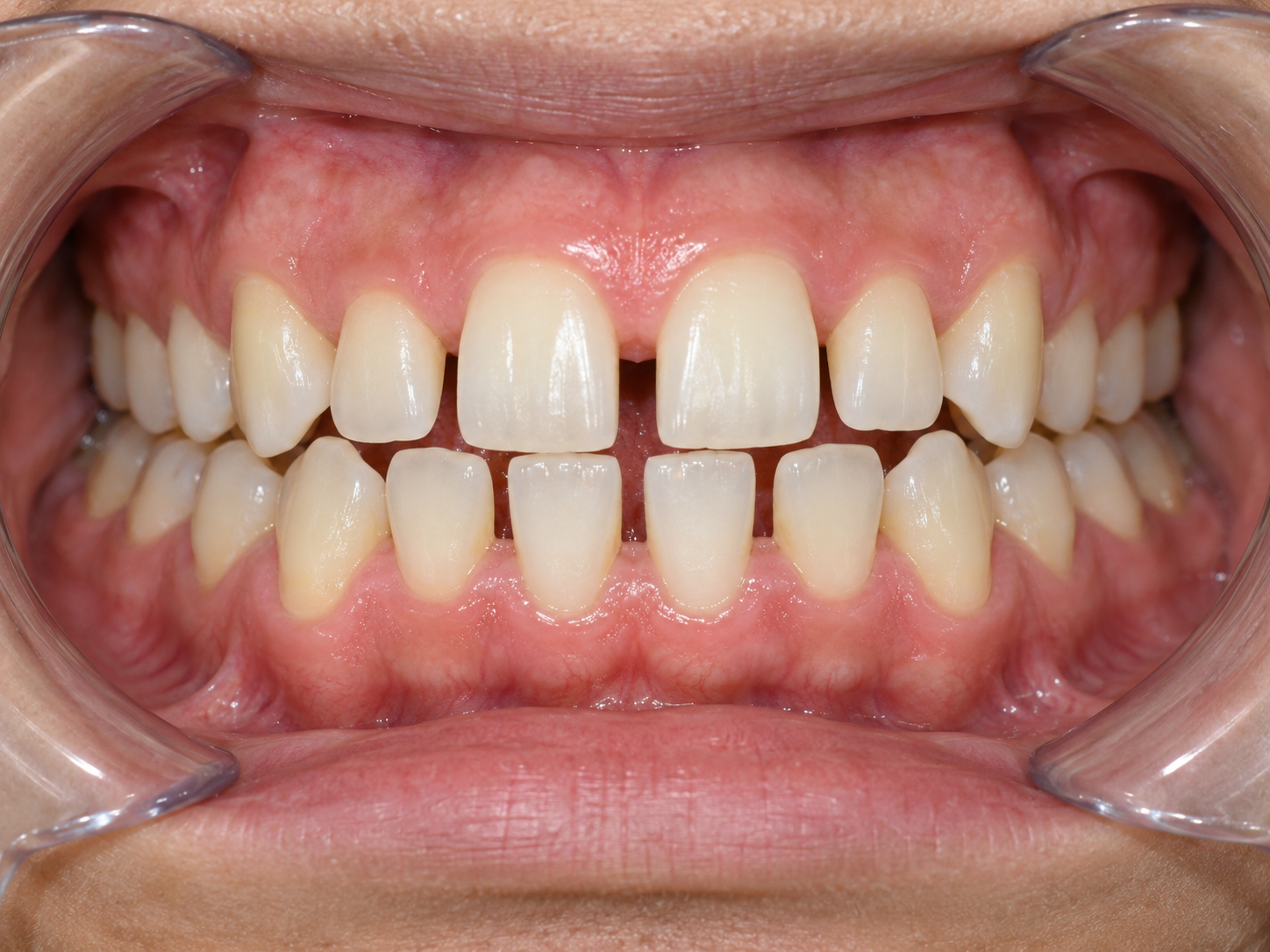
Invisalign may be used to gradually close unwanted gaps and improve spacing between the teeth.
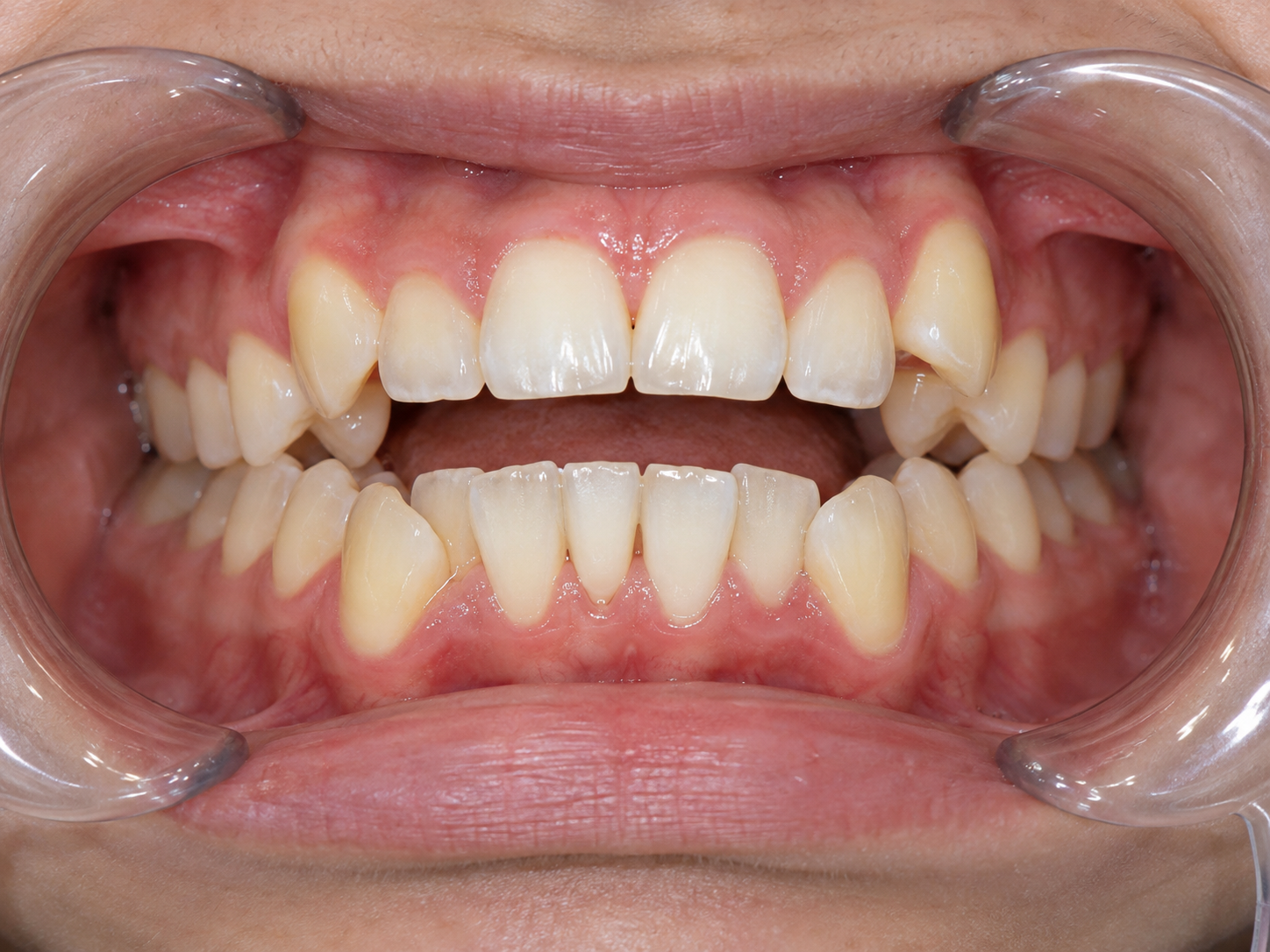
Clear aligners may be used to improve selected overbite, underbite, crossbite, and open-bite concerns.
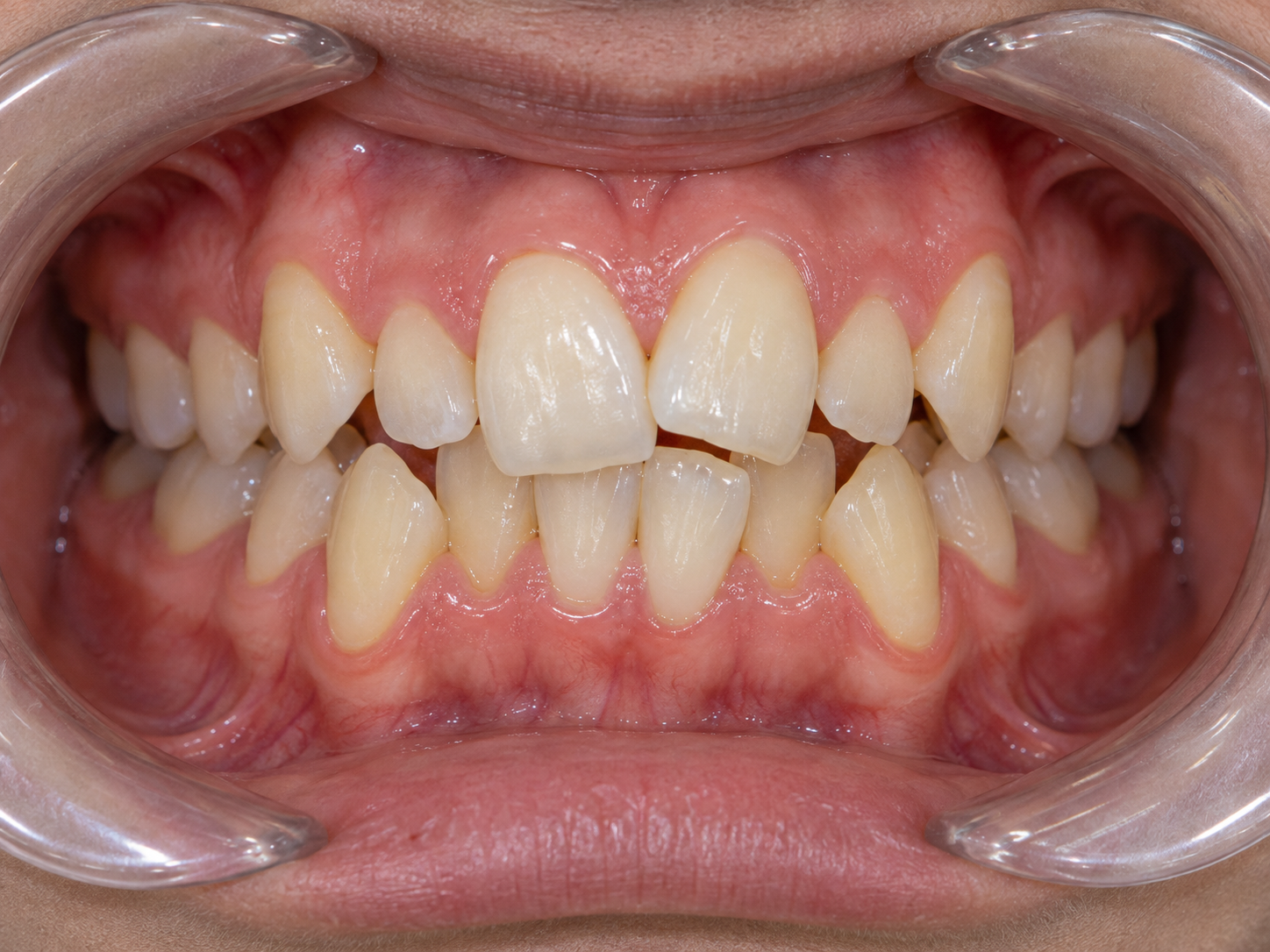
Teeth that are tilted, rotated, or out of position may often be improved through clear aligner treatment.
Clear aligners offer several practical and cosmetic advantages for patients who are good candidates for treatment.
The clear aligners are designed to be much less noticeable than traditional metal braces.
Aligners can be removed for eating, brushing, and flossing, making daily oral hygiene easier.
Because Invisalign does not use traditional brackets and wires, there are fewer restrictions related to orthodontic hardware.
Each set of aligners is custom-made to follow your individualized orthodontic treatment plan.
Successful clear aligner treatment depends on wearing the aligners as directed and maintaining regular orthodontic visits.
Aligners generally need to be worn for most of the day and night and removed only as directed by your orthodontist.
Aligners are removed when eating or drinking anything other than water, then replaced after cleaning your teeth.
Regular cleaning helps keep your aligners clear, fresh, and in good condition throughout treatment.
Periodic orthodontic appointments allow your doctor to monitor progress and provide the next stages of treatment.
Clear aligners can be very convenient, but they require consistent wear and may not be appropriate for every orthodontic case.
Patient Cooperation Matters
Because the aligners are removable, treatment depends on wearing them consistently according to your orthodontist’s instructions.
Some Cases May Be Better Treated With Braces
Certain complex tooth movements or bite problems may be more predictable with traditional or crystal clear braces.
Attachments May Be Needed
Small tooth-colored attachments may sometimes be placed on the teeth to help the aligners create specific movements.
Retainers Are Still Important
After Invisalign treatment is complete, retainers are typically recommended to help maintain the new tooth positions.
Your orthodontist can help you compare treatment options and choose the approach that best fits your smile, bite, and lifestyle.
Compare traditional metal braces, crystal clear braces, and clear aligner treatment.
Learn about crowding, spacing, bite problems, and other conditions orthodontic treatment may address.
Retainers help maintain tooth position after active orthodontic treatment is complete.
Schedule an orthodontic consultation at Total Care Dental & Orthodontics to find out whether Invisalign or another orthodontic treatment may be appropriate for your smile.
