Gum contouring reshapes the gumline to improve the balance and appearance of the smile. It may be considered for patients who feel their teeth look too short, their gumline is uneven, or too much gum tissue shows when they smile.
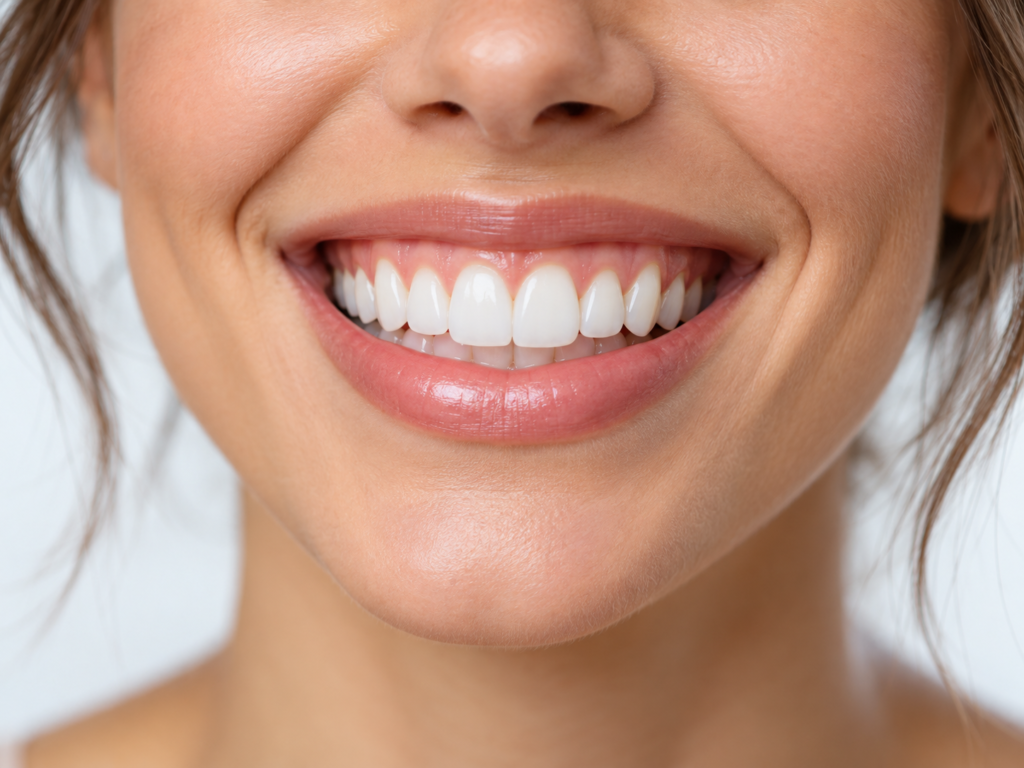
Gum contouring is a procedure that reshapes the gumline by carefully removing or repositioning excess gum tissue. The goal is to create a more even relationship between the teeth and gums and improve overall smile symmetry.
Depending on the amount of tissue involved and the patient’s oral health, treatment may be performed by a dentist or dental specialist. Your doctor will evaluate the gums, teeth, and underlying bone before determining whether gum contouring is appropriate.
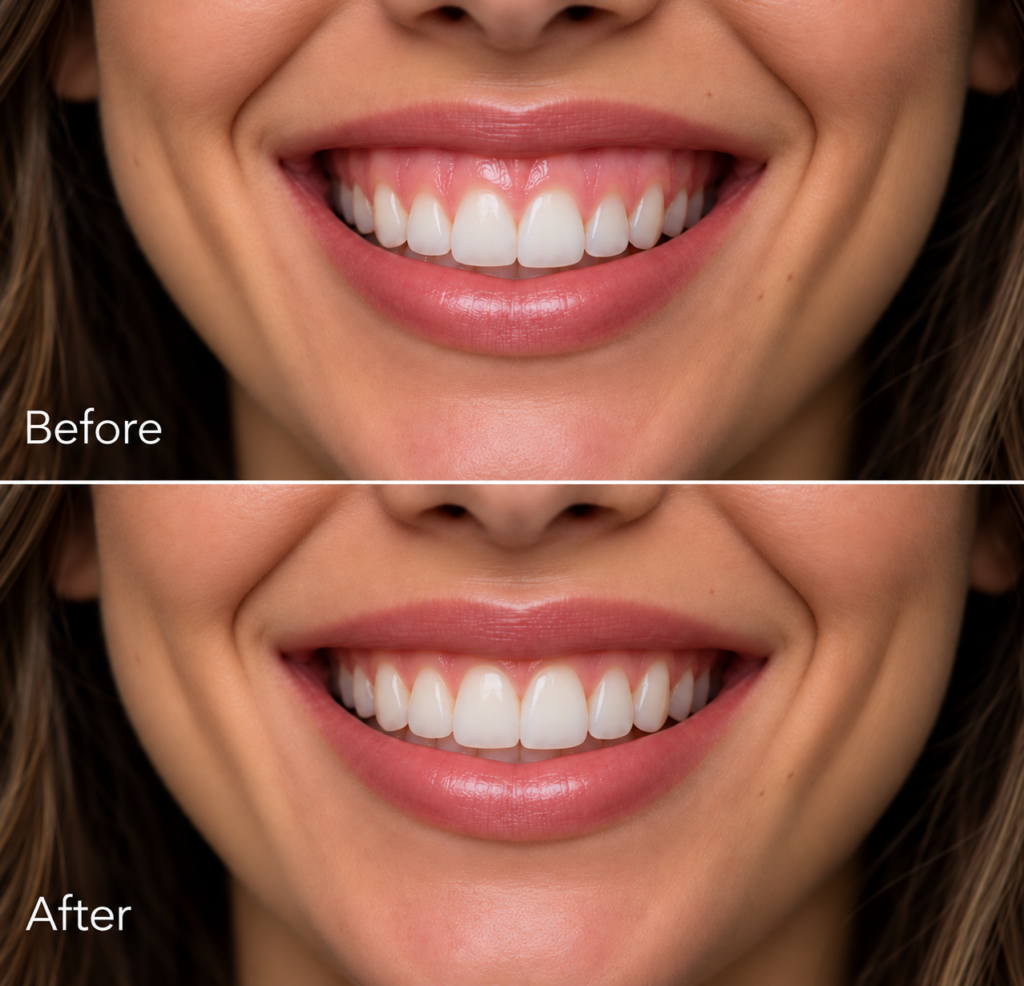
Treatment is carefully planned around the shape of your teeth, gums, and overall smile.
Your doctor evaluates the gumline, tooth proportions, and surrounding tissues to determine whether contouring is appropriate.
Excess or uneven gum tissue is carefully reshaped to create a more balanced contour around the teeth.
The area is monitored as it heals, and your doctor may provide instructions for keeping the gums clean and comfortable during recovery.
Gum contouring can improve the balance between the teeth and gums and create a more even-looking smile.
Reshaping excess gum tissue can make teeth appear longer and more proportionate.
Treatment can help improve uneven or asymmetrical gum contours.
A more consistent gumline can help create a more balanced overall appearance.
Gum contouring may sometimes be combined with veneers, bonding, whitening, or other cosmetic procedures.
Gum contouring is not appropriate for every cosmetic concern. Your doctor will evaluate the health of your gums, tooth position, and supporting bone before recommending treatment.
Healthy Gums Are Important
Active gum disease or other periodontal concerns may need to be treated before cosmetic contouring.
Some Cases Require Specialist Care
More extensive reshaping or procedures involving the supporting tissues may be referred to a periodontist.
Healing Takes Time
Temporary tenderness or sensitivity may occur while the treated gum tissue heals.
Treatment Depends on Anatomy
The amount of gum tissue that can safely be reshaped depends on tooth position, bone levels, and individual anatomy.
Depending on your goals, your dentist may recommend bonding or another cosmetic treatment to improve the appearance of your smile.
Professional whitening can help brighten teeth affected by common surface staining and discoloration.
Thin, custom-made shells can improve the appearance of chipped, discolored, worn, unevenly shaped, or slightly spaced teeth.
Tooth-colored bonding material can be used to improve the appearance of small chips, gaps, or minor shape concerns.
Schedule a consultation with our team to find out whether gum contouring may be an appropriate option for your smile.
