An oral cancer screening is a visual and physical examination of the mouth and surrounding tissues to look for changes or areas that may need further evaluation. Screening can be included as part of a routine dental exam.
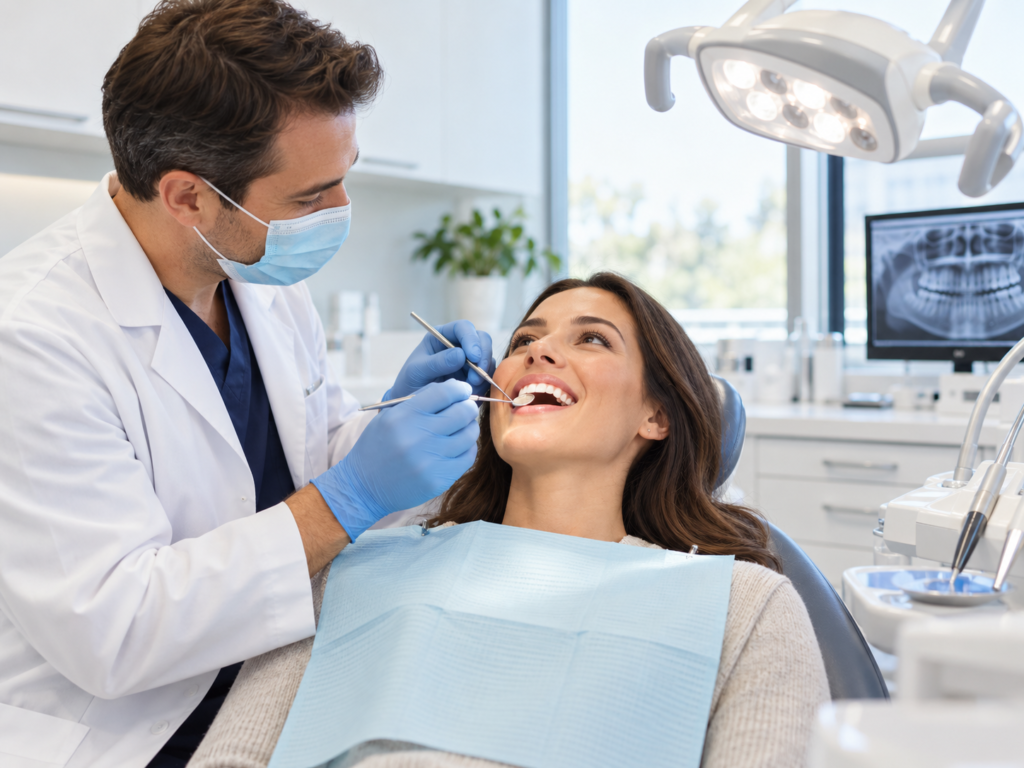
A dental emergency is a problem involving the teeth, gums, or surrounding tissues that requires prompt evaluation because of pain, swelling, trauma, infection, or risk of further damage.
Some dental problems require same-day attention, while others can safely wait for a scheduled visit. If you are unsure, contact our office so our team can help guide you.
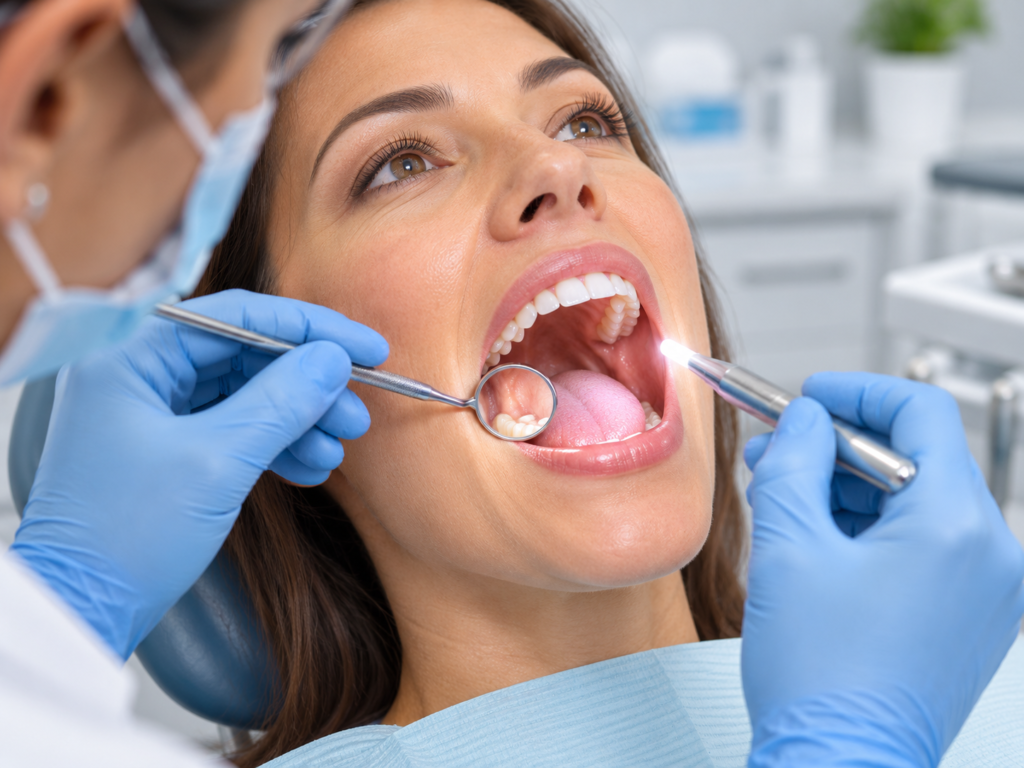
Many oral changes are not cancerous, but unusual findings should be evaluated to determine whether additional follow-up is needed.
A persistent sore or irritated area may need further evaluation if it does not improve as expected.
Unusual areas of discoloration in the mouth may be examined more closely.
Your dentist may check for swelling, firmness, or changes in the texture of oral tissues.
Unusual changes involving the tongue, swallowing, or surrounding tissues may warrant additional evaluation.
The screening is typically quick, noninvasive, and can be performed as part of a routine dental examination.
Your dentist carefully examines the lips, cheeks, tongue, gums, palate, and other visible areas of the mouth.
Your dentist may gently feel the tissues of the mouth, jaw, and neck for unusual lumps, swelling, or changes in texture.
Oral cancer screening can be included as part of routine dental care for adults, with additional attention given to patients who may have increased risk factors.
Oral tissue evaluation can be incorporated into regular dental examinations as part of preventive care.
Certain lifestyle factors may increase the risk of oral and throat cancers and may warrant closer monitoring.
Patients with a history of unusual oral lesions or related conditions may need more frequent evaluation.
Identifying unusual changes earlier can help patients receive appropriate evaluation and follow-up sooner.
Removing decay and restoring the tooth helps prevent the damaged area from becoming larger.
Unusual findings can be evaluated or referred for additional testing when appropriate.
A visual and physical examination can usually be completed quickly during a routine dental visit.
Oral cancer screening is one component of a broader preventive dental examination.
Oral cancer screening is an important preventive step, but it is not a definitive diagnostic test.
A Screening Does Not Diagnose Cancer
A visual and physical examination can identify areas that may need further evaluation, but a diagnosis may require additional testing or a biopsy.
Many Oral Changes Are Not Cancerous
Sores, irritation, discoloration, and other changes can have many causes. Your dentist will determine whether an area should be monitored or evaluated further.
Follow-Up May Be Recommended
If an unusual area is found, your dentist may recommend rechecking it after a period of time or referring you to a specialist.
Tell Your Dentist About Changes
Let your dentist know about persistent sores, lumps, swallowing changes, unexplained discomfort, or other oral changes you have noticed.
Oral cancer screening works alongside regular exams and other preventive services to help monitor your oral health.
Regular exams and diagnostic imaging help your dentist monitor your oral health and identify problems early.
Sealants help protect the chewing surfaces of back teeth by covering deep grooves where food and bacteria can collect.
Professional fluoride treatment can help strengthen tooth enamel and provide additional protection against tooth decay.
Schedule an appointment with our team for a comprehensive dental exam that may include an oral cancer screening based on your individual needs.
