Regular dental exams and diagnostic X-rays help our dentists monitor your oral health, identify problems early, and create a treatment plan based on your individual needs.
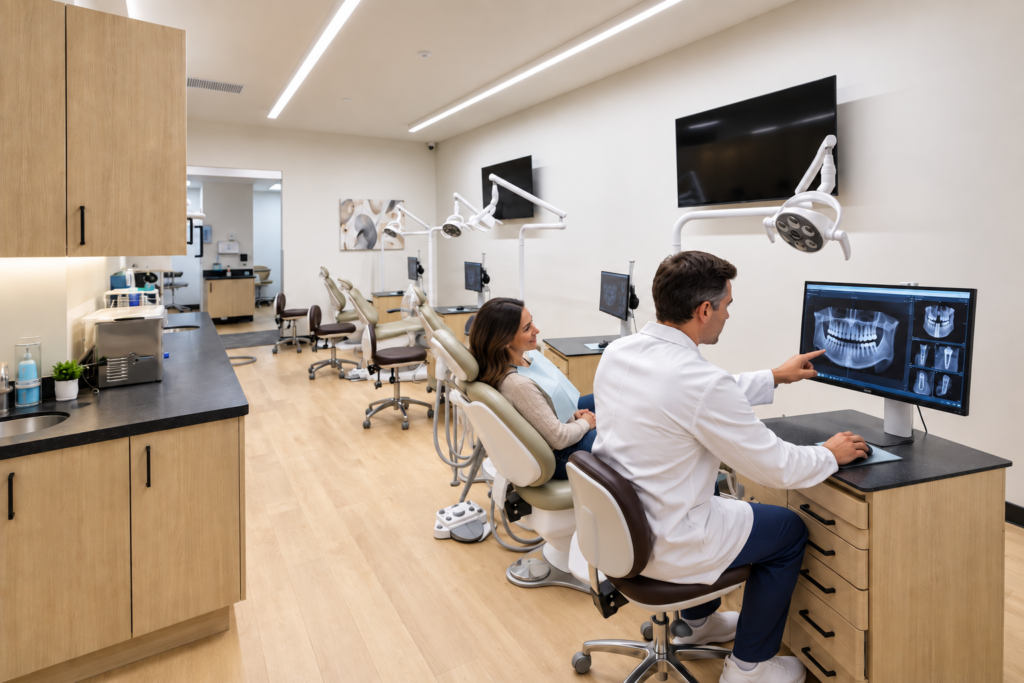
A dental exam is a comprehensive evaluation of your teeth, gums, bite, and surrounding oral tissues. Your dentist reviews your dental and medical history, checks for signs of decay or gum disease, and evaluates any areas of concern.
Depending on your needs, the visit may also include diagnostic imaging, periodontal evaluation, and a discussion of recommended preventive or restorative care.

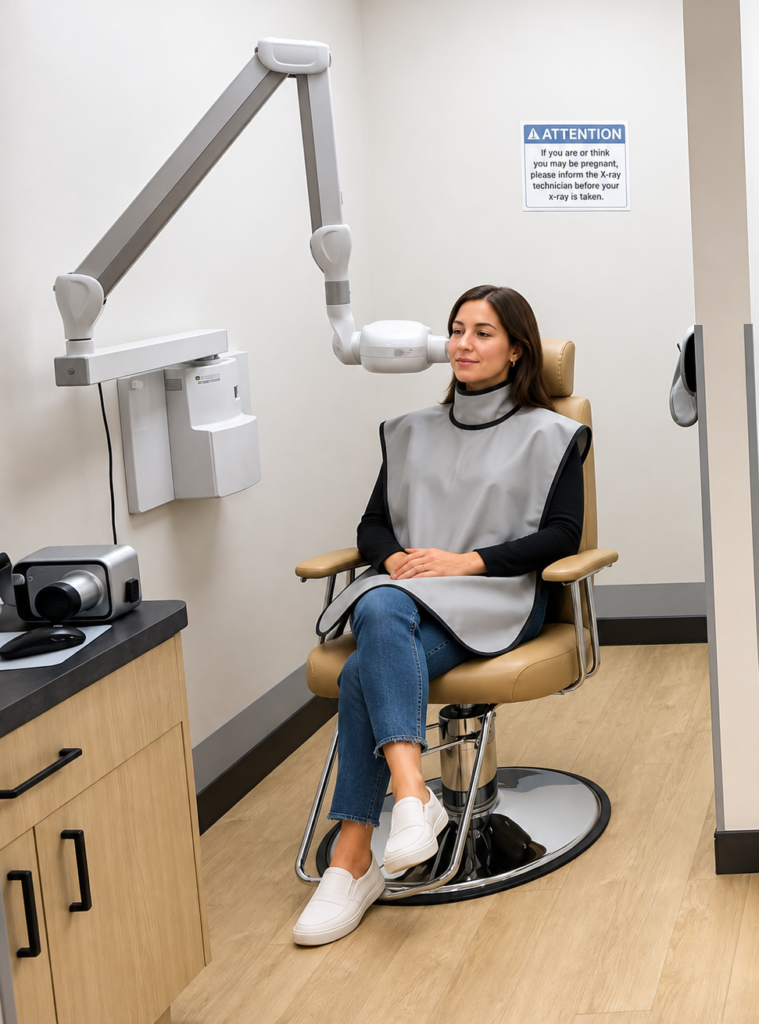
Dental X-rays allow your dentist to see areas that are not visible during a routine visual exam. They can help identify concerns involving the teeth, roots, bone, and surrounding structures.
The type and frequency of X-rays recommended depends on your age, oral health, dental history, symptoms, and individual treatment needs.
Extraction is generally considered when preserving the tooth is no longer predictable or when removal is necessary for another treatment plan.
X-rays can help reveal decay between teeth or beneath existing restorations.
Imaging can help evaluate bone levels and changes associated with periodontal disease.
X-rays can help identify problems involving roots, impacted teeth, or areas around the tooth.
Diagnostic images can support planning for restorative, orthodontic, implant, and surgical treatment.
Your visit is designed to give your dentist a complete picture of your oral health and any areas that may need attention.
Your dental and medical history, current concerns, and any changes since your last visit are reviewed.
Your dentist examines your teeth and gums and recommends X-rays or other imaging when clinically appropriate.
Your dentist reviews the findings with you and discusses any recommended preventive or treatment options.
Regular exams help your dental team monitor changes over time and identify concerns before they become more complicated.
Finding decay, gum problems, or other concerns earlier may allow for simpler treatment.
Routine visits help support healthy teeth and gums and identify areas that may need additional attention.
Current exams and imaging help your dentist make more informed treatment recommendations.
Comparing exams and images over time can help your dentist monitor your oral health.
Dental X-rays are recommended based on individual clinical need rather than on a one-size-fits-all schedule.
Not Every Visit Requires X-Rays
The type and timing of imaging depends on your dental history, current condition, symptoms, and treatment needs.
Different X-Rays Serve Different Purposes
Your dentist may recommend bitewing, periapical, panoramic, or 3D imaging depending on what needs to be evaluated.
Digital Imaging Allows Immediate Review
Digital images can be viewed quickly and used to help explain findings and treatment recommendations.
Your Dentist Will Recommend What Is Appropriate
Imaging is selected based on the information needed to evaluate your oral health and plan care.
Regular exams work together with other preventive treatments to help protect your teeth and gums.
Dental sealants help protect the chewing surfaces of back teeth by covering deep grooves where food and bacteria can collect.
Professional fluoride treatment can help strengthen tooth enamel and provide additional protection against tooth decay.
An oral cancer screening helps your dentist check the mouth, tongue, lips, and surrounding tissues for areas that may need further evaluation.
Schedule your visit with Total Care Dental & Orthodontics for a comprehensive exam and any diagnostic imaging your dentist recommends.
