Orthodontic treatment can be customized using different types of braces and appliances based on your smile, bite, age, and treatment goals. Our orthodontic team will evaluate your needs and recommend the option that is most appropriate for you.

Braces are orthodontic appliances used to gradually move the teeth and improve the way the upper and lower teeth fit together.
They work by applying gentle, controlled pressure over time. Depending on your orthodontic needs, braces may be used to correct crowding, spacing, bite problems, and other alignment concerns.
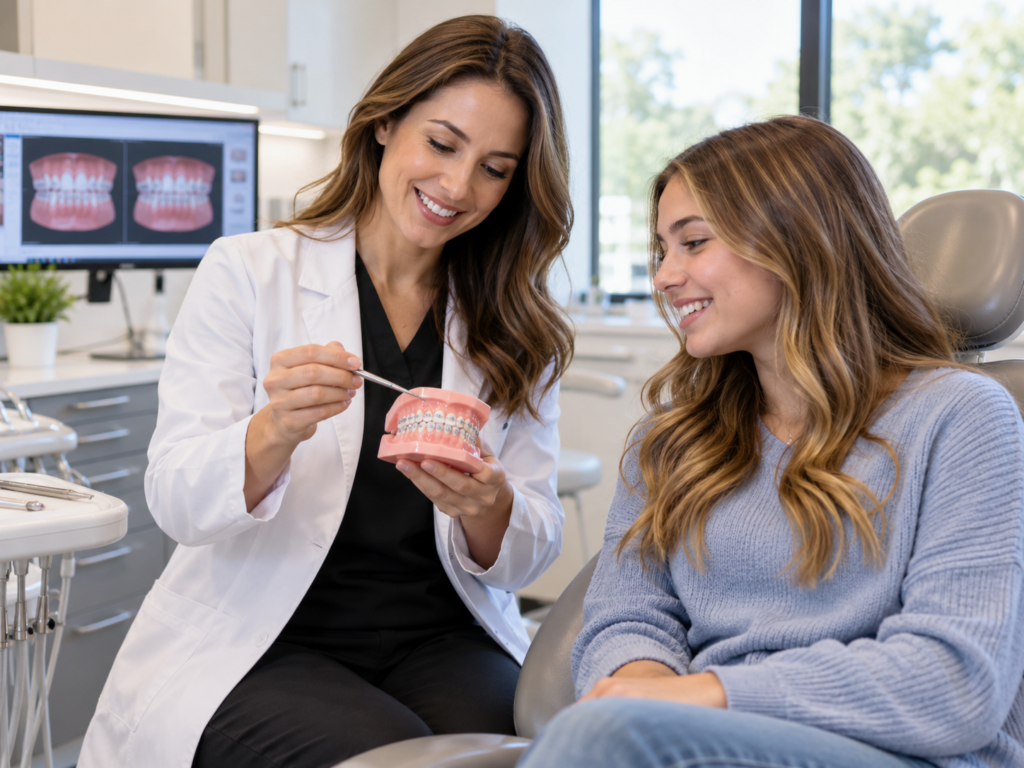
Different orthodontic options can help correct crowding, spacing, bite issues, and alignment concerns. Your orthodontist will recommend the treatment that best fits your smile goals and clinical needs.
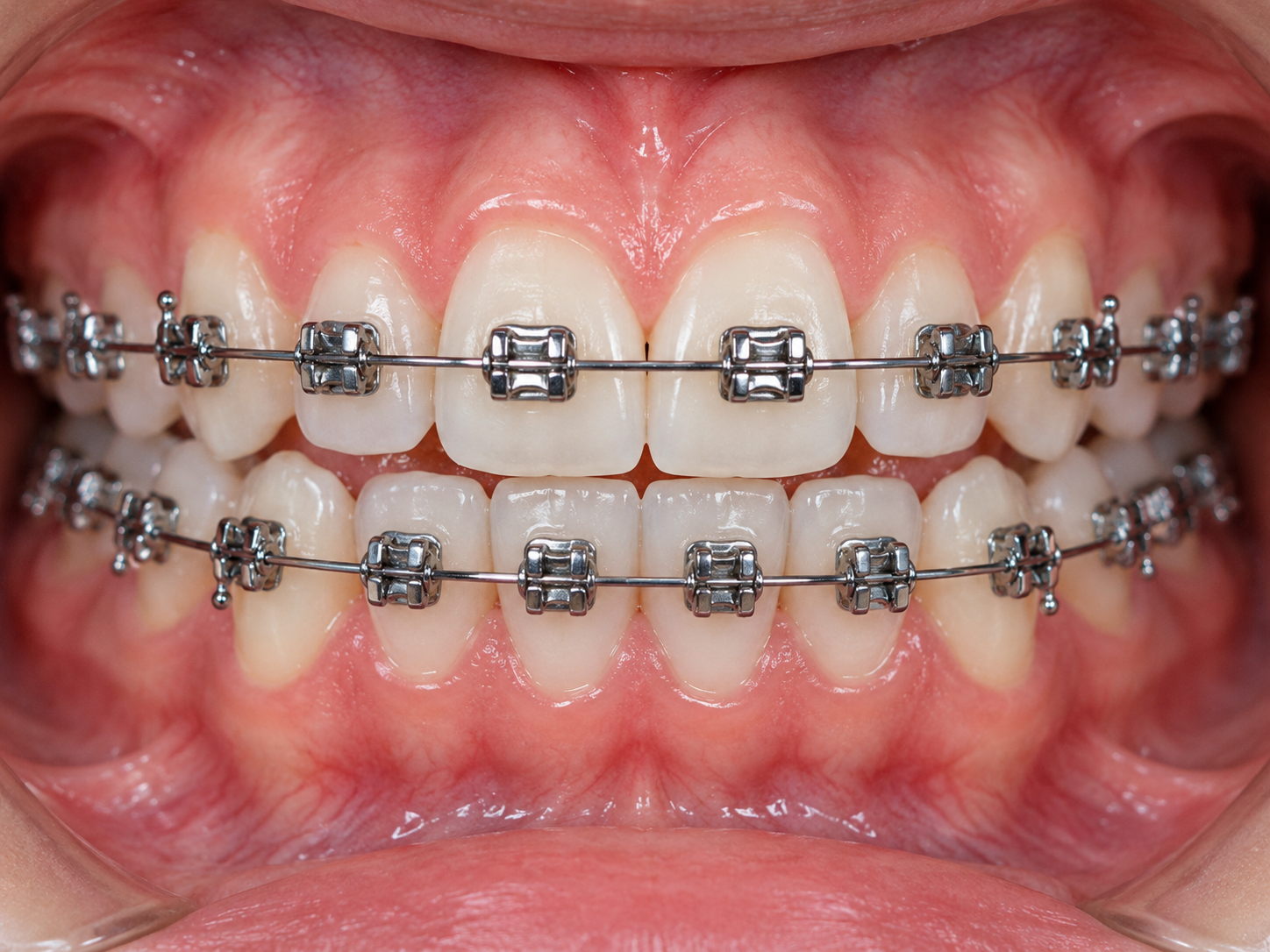
Traditional metal braces use brackets and wires to gradually move the teeth into better alignment. They remain one of the most versatile options for treating a wide range of orthodontic concerns.
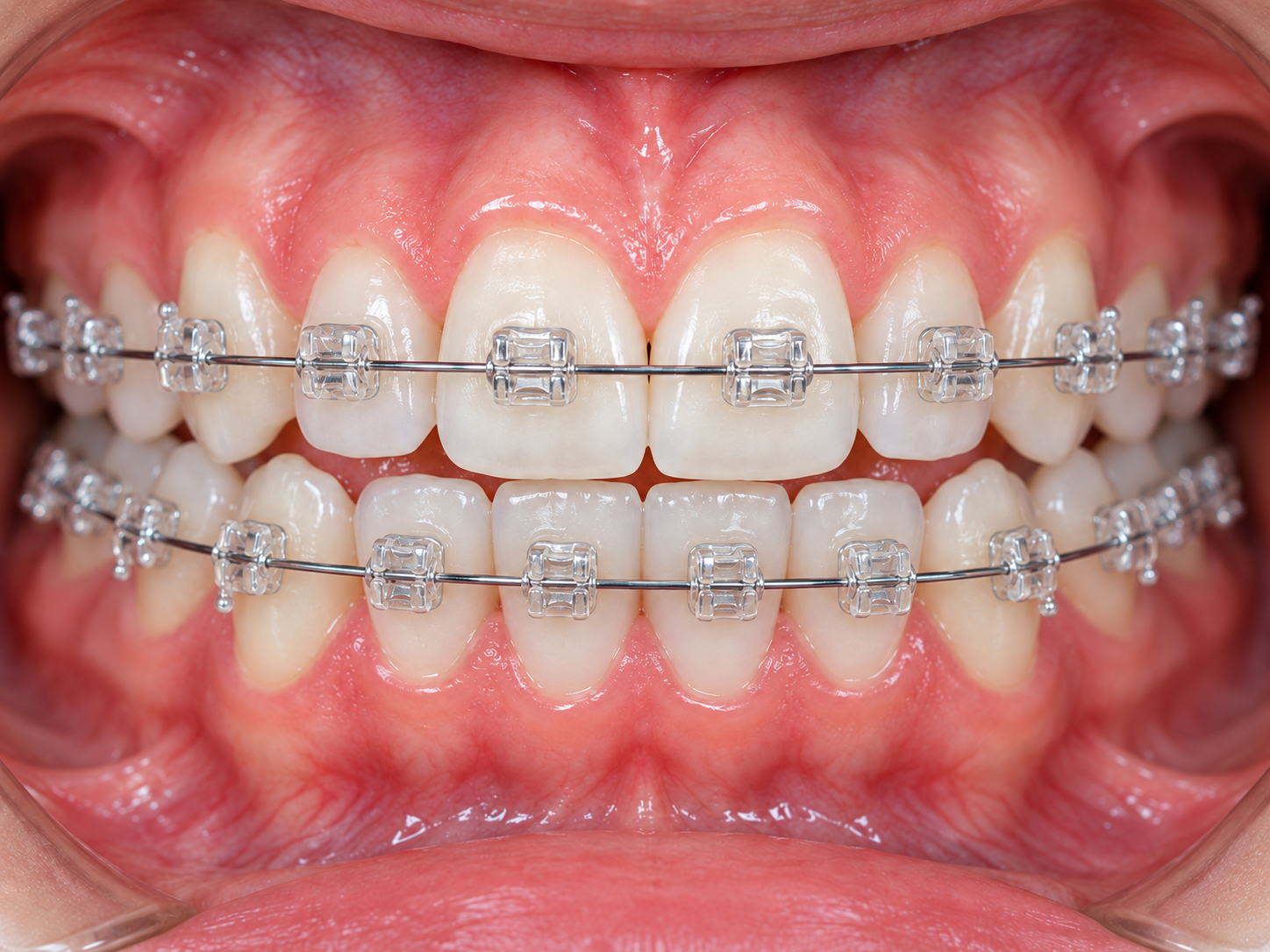
Crystal clear braces offer a more discreet orthodontic option while providing the same reliable tooth movement as traditional braces. Their clear appearance helps them blend in more naturally with your smile.
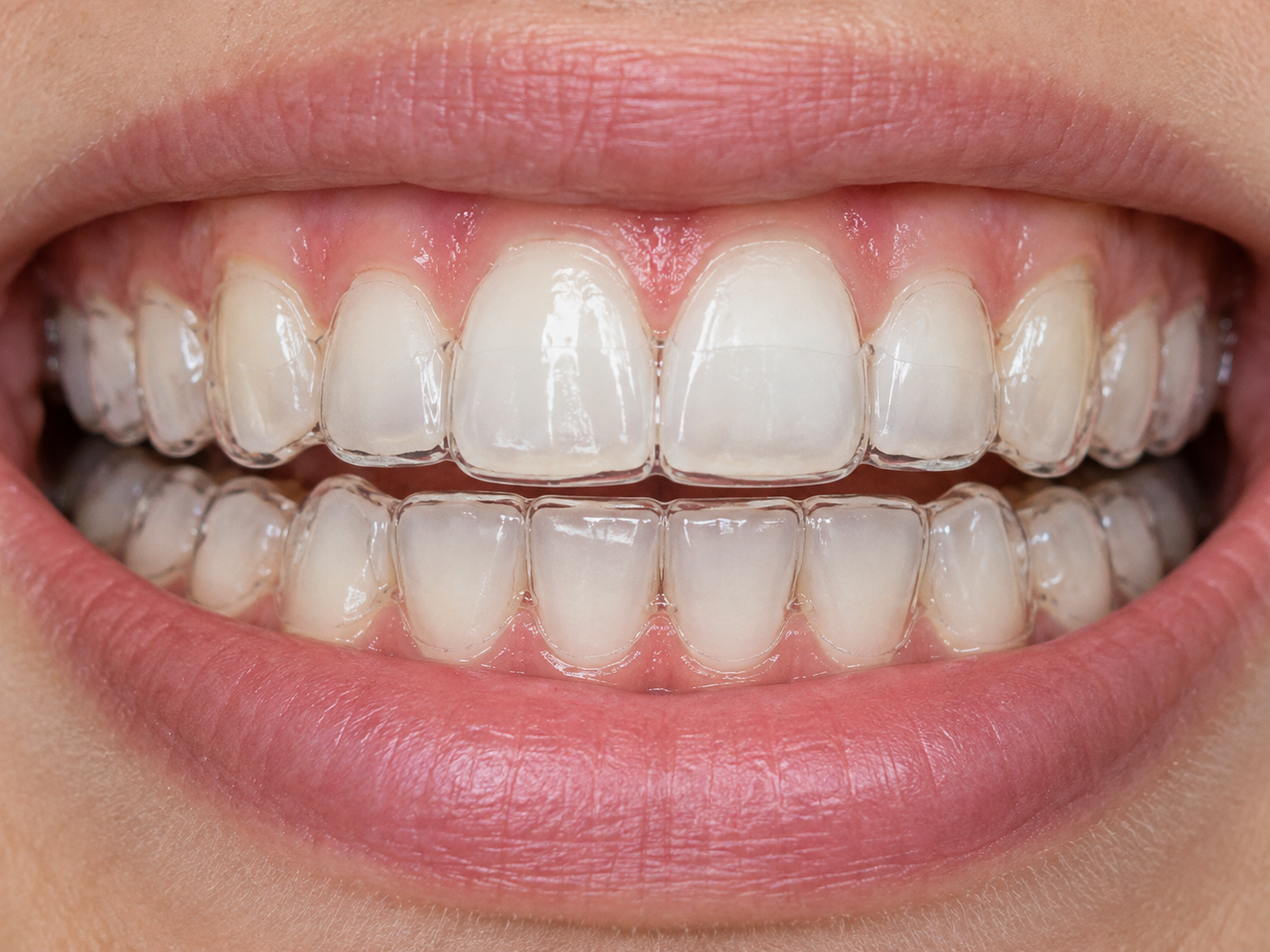
The best orthodontic treatment depends on more than appearance alone. Your orthodontist will evaluate several factors before recommending an option.
The amount of crowding, spacing, rotation, or other tooth movement needed can affect which treatment options are appropriate.
For younger patients, growth and dental development may influence treatment timing and appliance selection.
Your orthodontist will evaluate how the upper and lower teeth fit together and whether bite correction is needed.
Appearance, convenience, oral hygiene, treatment responsibilities, and personal preferences may also be considered.
Braces may be recommended to improve tooth alignment, bite function, and the overall relationship between the teeth and jaws.
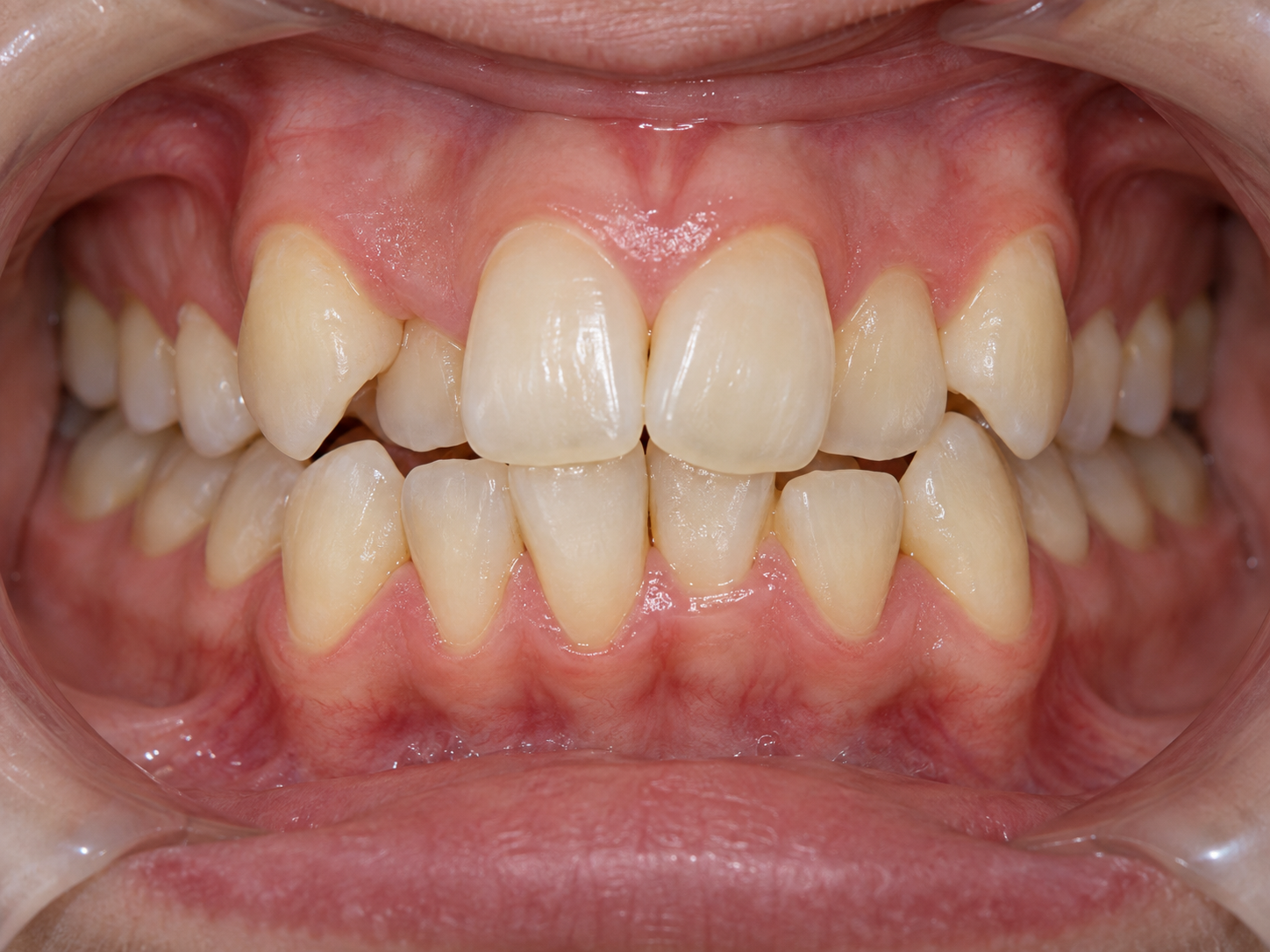
When there is not enough space for the teeth to align properly, braces can help guide them into improved positions.
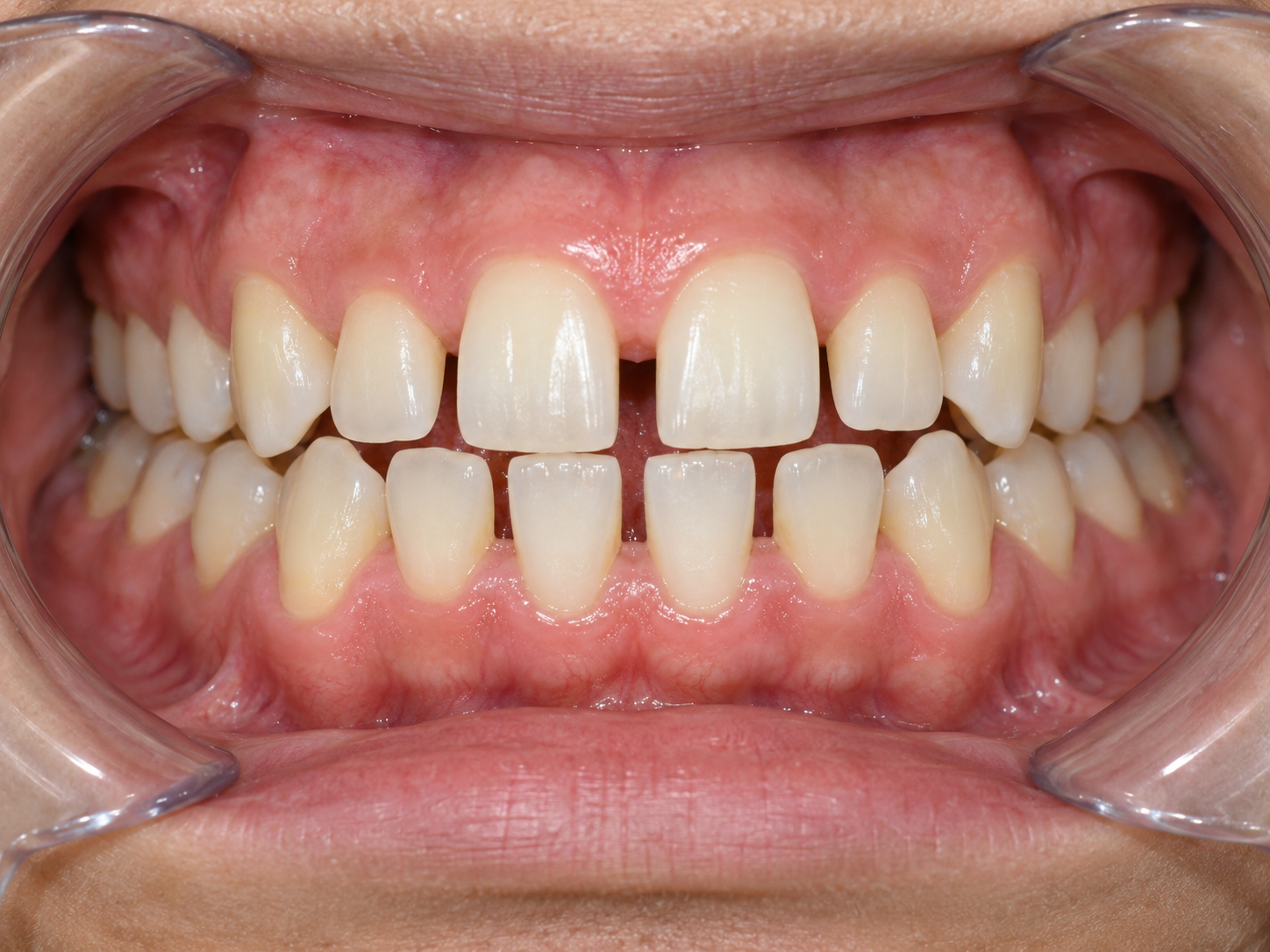
Orthodontic treatment can help close unwanted gaps and improve the spacing between teeth.
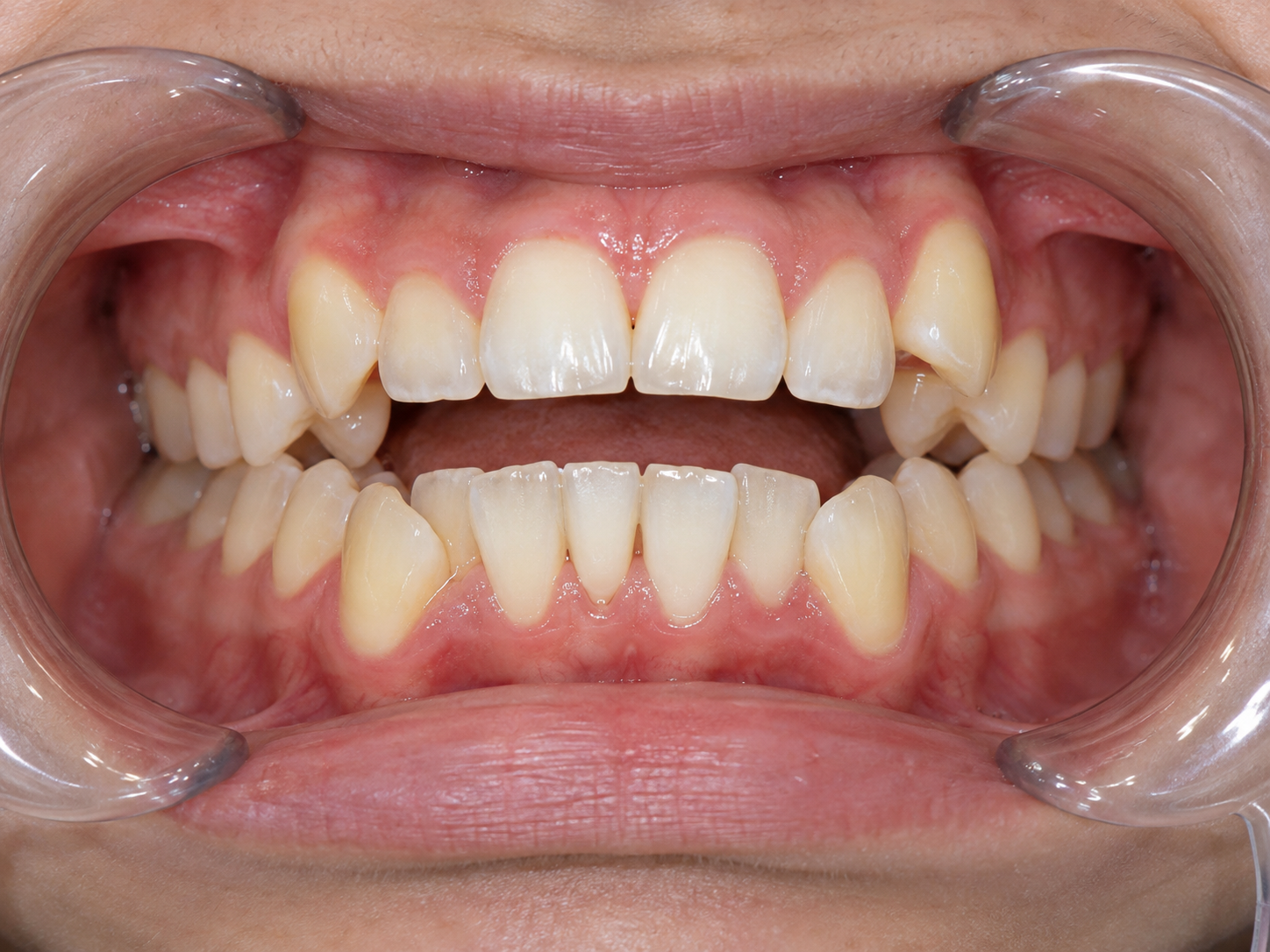
Braces may be used to improve concerns such as overbite, underbite, crossbite, or open bite.
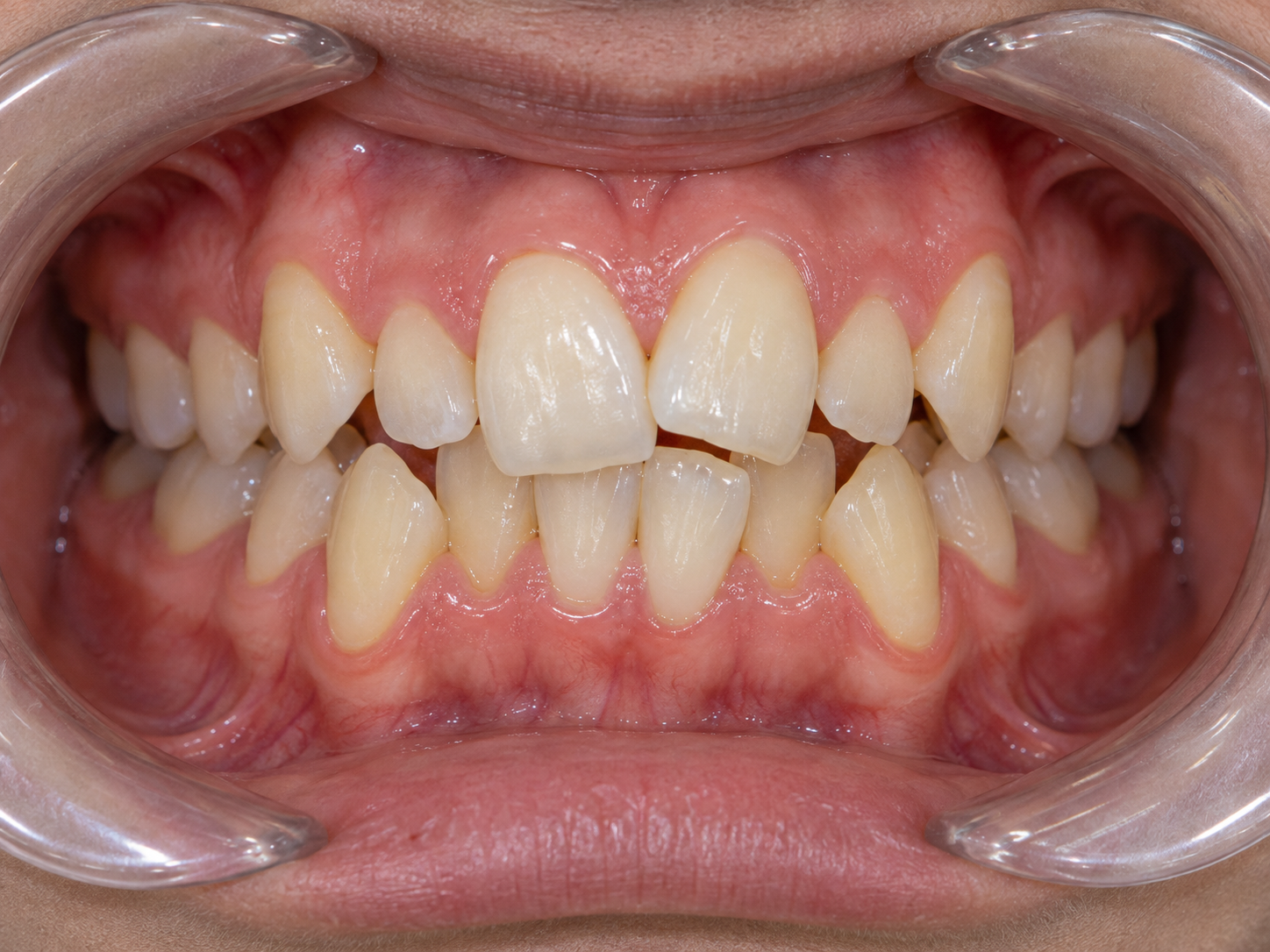
Teeth that are tilted, rotated, or out of alignment can often be repositioned through orthodontic treatment.
Orthodontic treatment is a gradual process, with regular visits used to monitor progress and make adjustments as needed.
Your orthodontist will examine your teeth and bite and may use photographs, X-rays, and digital scans or impressions to plan treatment.
Brackets and wires are placed on the teeth according to your treatment plan. Your orthodontic team will also explain how to care for them at home.
You will return periodically so your orthodontist can monitor tooth movement and make adjustments to keep treatment progressing.
After active orthodontic treatment is complete, retainers are typically used to help maintain the new positions of the teeth.
Good home care and regular orthodontic visits play an important role in keeping treatment on track.
Oral Hygiene Requires Extra Attention
Brackets and wires can trap food and plaque, so careful brushing and flossing are especially important during treatment.
Some Foods Should Be Avoided
Hard, sticky, or chewy foods can damage braces and may need to be limited while you are in treatment.
Mild Soreness Can Occur
It is common to experience temporary pressure or soreness after braces are placed or adjusted.
Treatment Time Varies
The length of orthodontic treatment depends on the complexity of the case, treatment goals, and how the teeth respond over time.
Learn more about other orthodontic treatment and support services available at Total Care Dental & Orthodontics.
Clear aligners may be an alternative to braces for many teens and adults.
Learn what to do if a bracket breaks, a wire becomes uncomfortable, or another orthodontic problem occurs.
Proper brushing and flossing can help keep teeth and gums healthy throughout orthodontic treatment.
Schedule an orthodontic consultation at Total Care Dental & Orthodontics to learn which treatment option may be appropriate for your smile and bite.
