Most orthodontic problems are uncomfortable rather than dangerous, but some situations should be addressed promptly. If something breaks, becomes painful, or affects your braces or appliance, contact Total Care Dental & Orthodontics so our team can help determine the next step.

An orthodontic emergency is a problem with braces, wires, bands, retainers, or other orthodontic appliances that causes significant discomfort, interferes with treatment, or requires prompt attention.
Many orthodontic issues can be managed temporarily at home until you can be seen, but some situations should be evaluated more quickly.

If you experience one of these problems, contact our office for guidance.
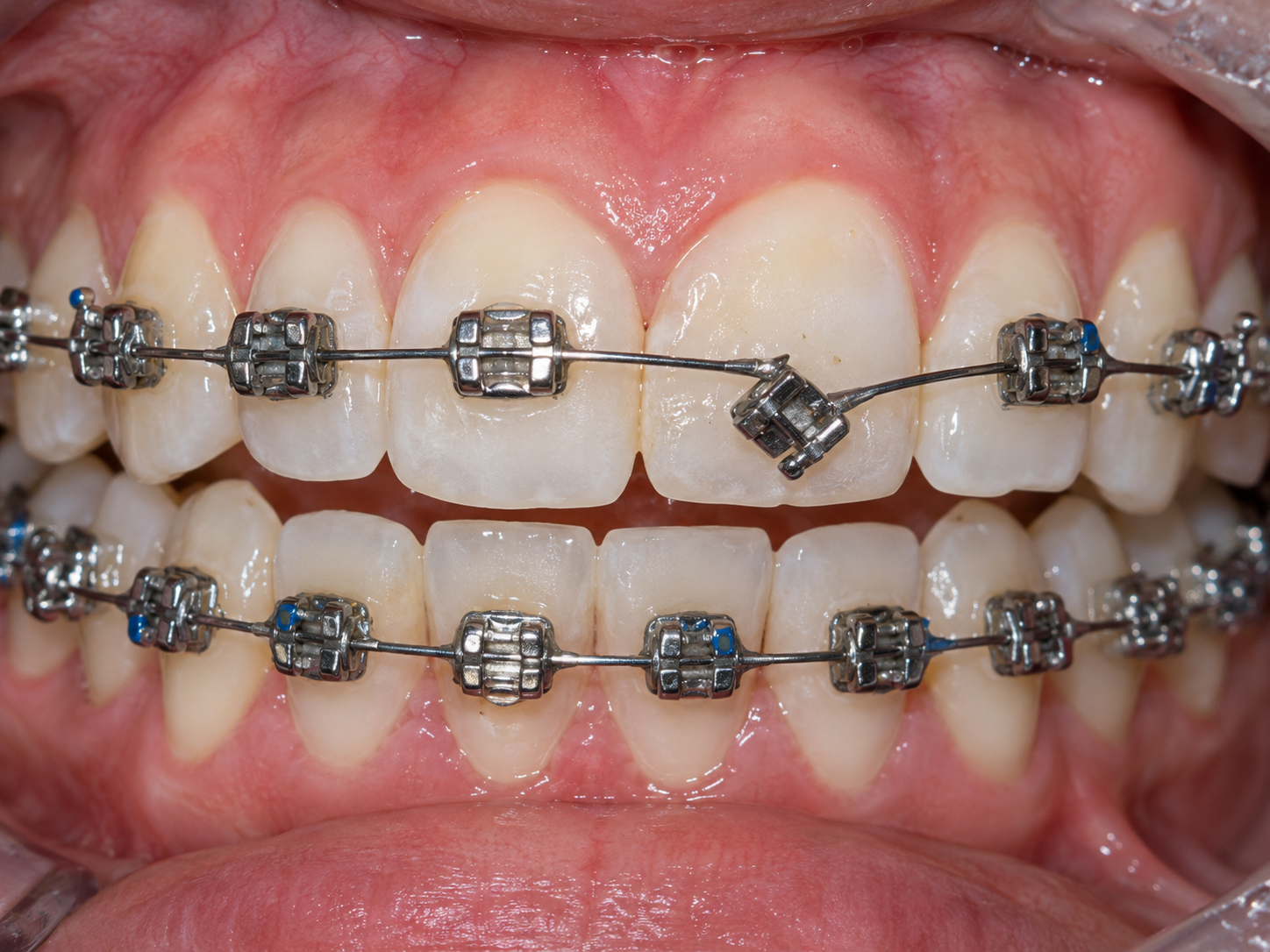
A bracket may become loose or detach from the tooth, especially after eating hard or sticky foods.
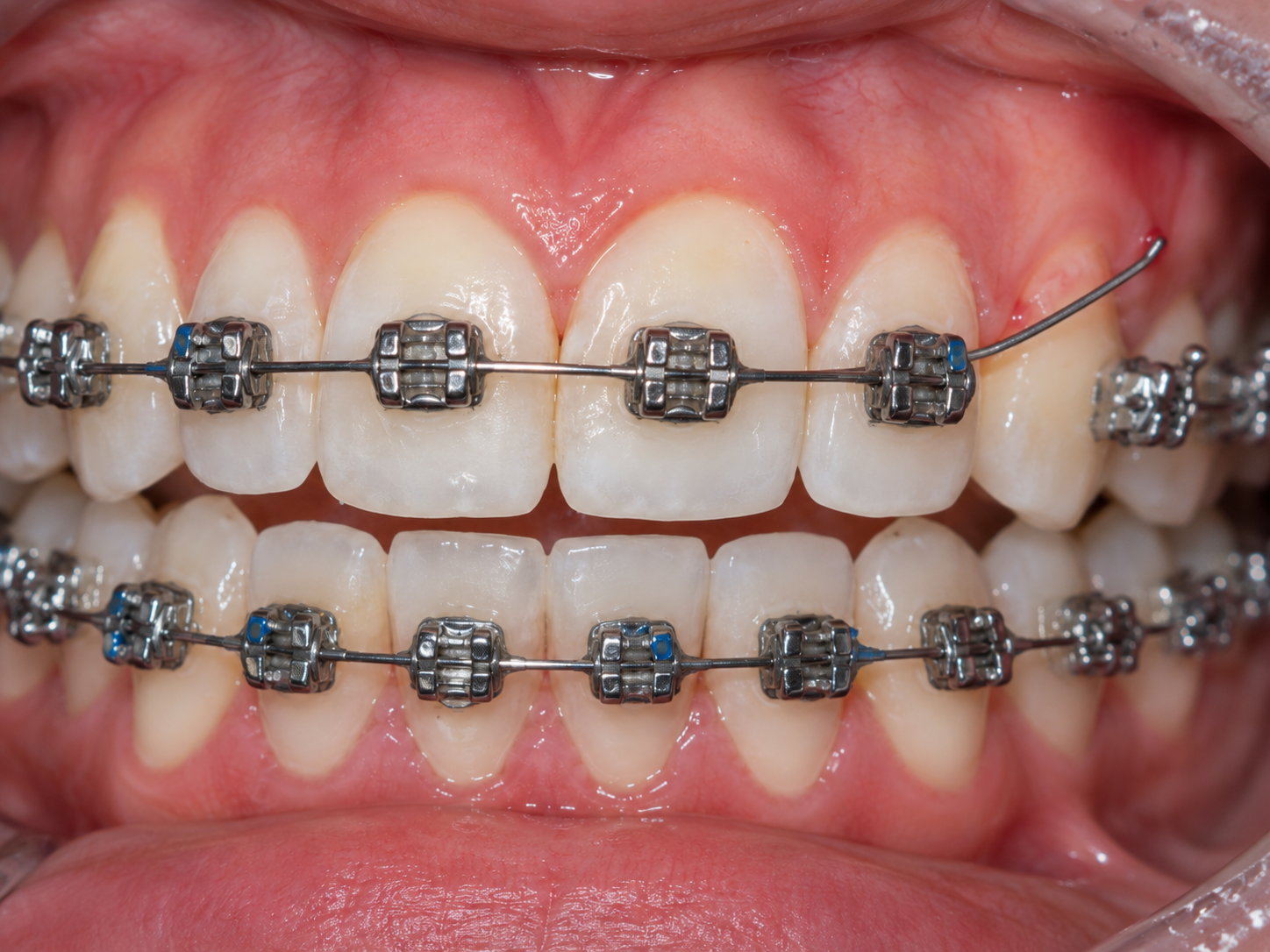
A wire may shift, bend, or extend beyond the last bracket and irritate the cheek or gums.
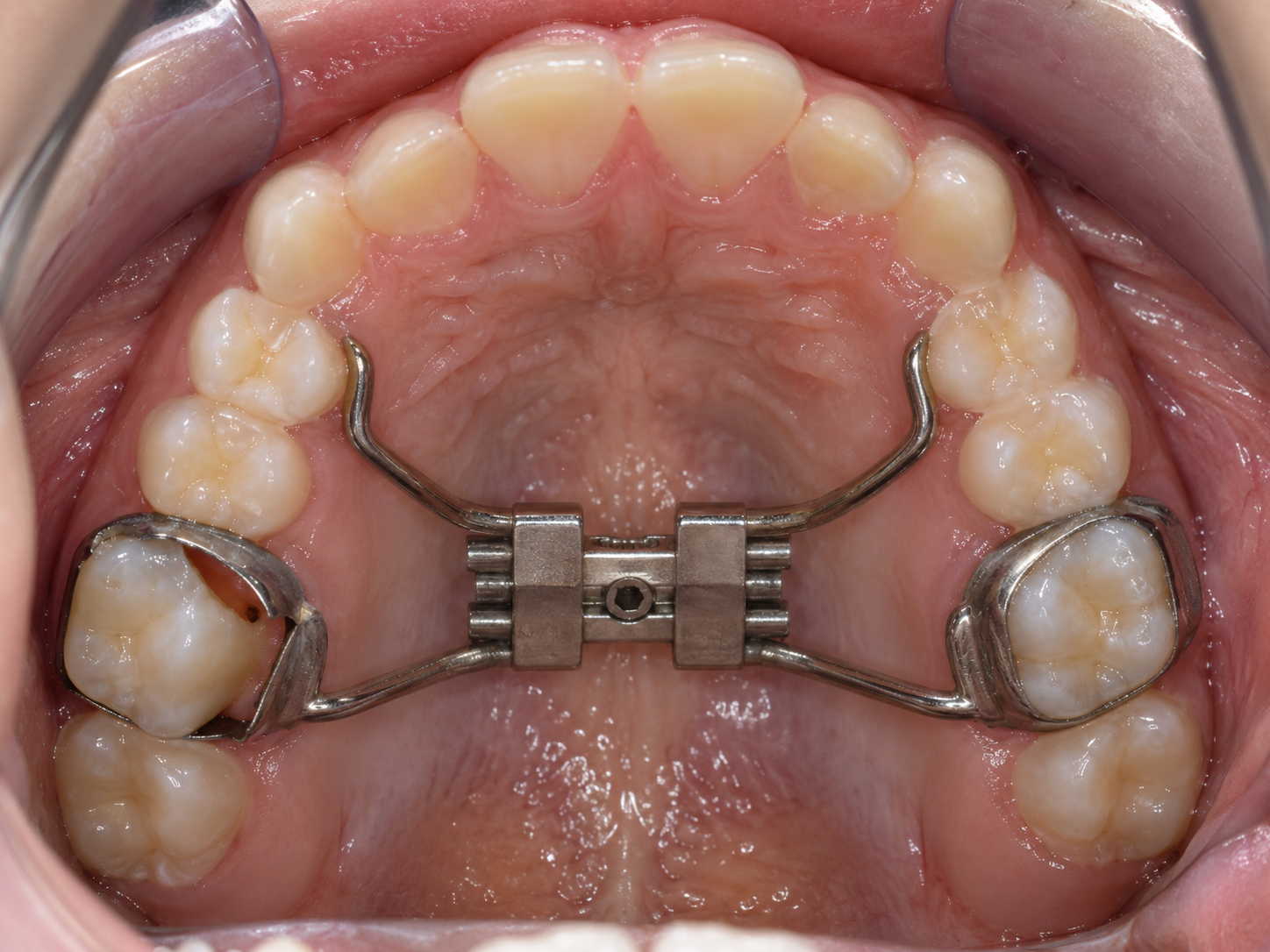
Bands or other orthodontic appliances can occasionally loosen and may need to be adjusted or replaced.
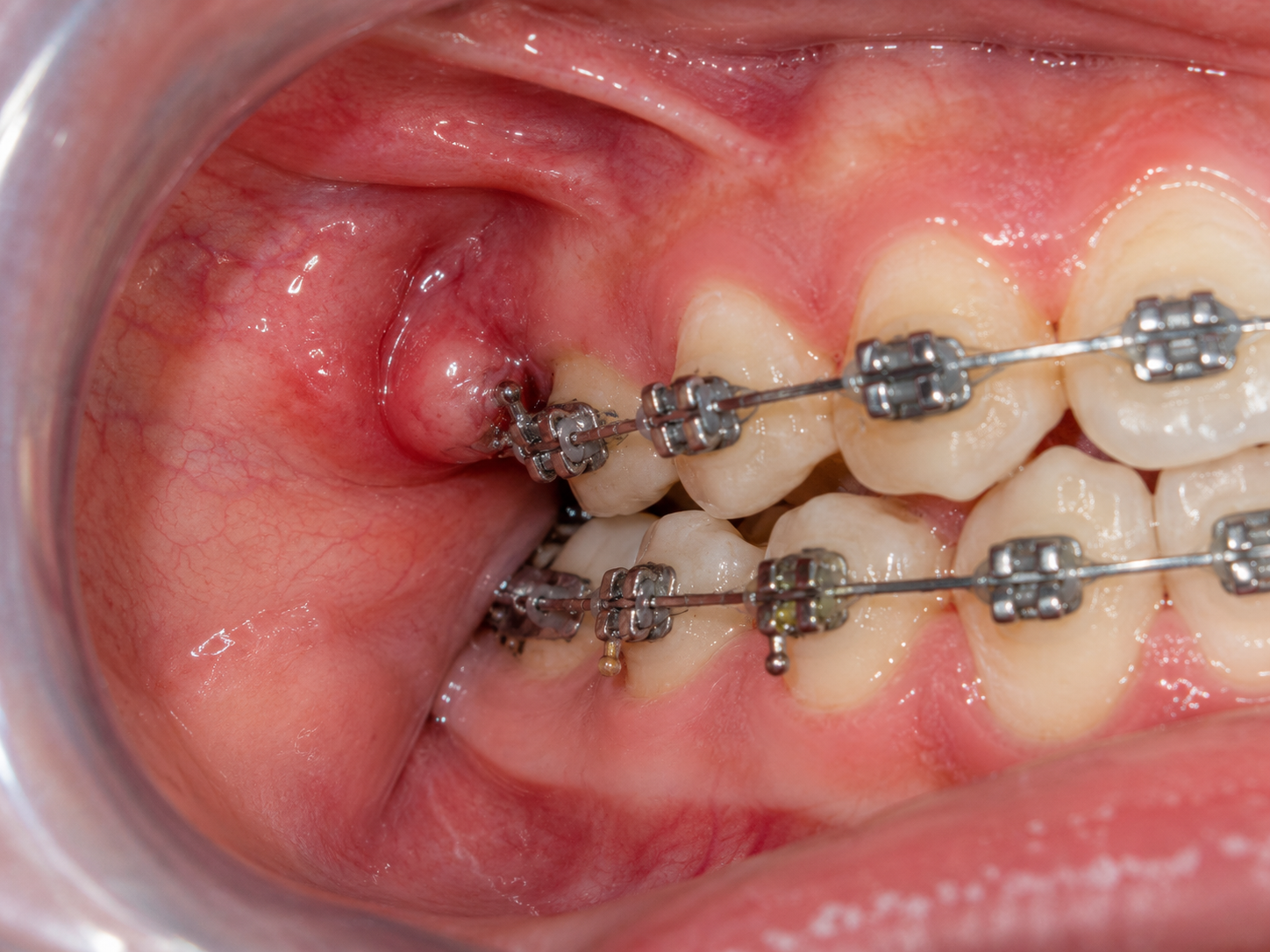
Persistent or severe discomfort, swelling, or signs of injury should be reported to the orthodontic team promptly.
Simple steps may help reduce irritation and protect your braces until your orthodontic team can evaluate the problem.
Orthodontic wax can be placed over a bracket or wire that is rubbing against the cheek, lip, or gums.
A warm salt-water rinse may help soothe irritated tissues around the braces.
Choose softer foods and avoid chewing on the affected area until the appliance can be checked.
Continue brushing carefully around the affected area to help prevent food and plaque buildup.
Some injuries or symptoms are medical emergencies rather than routine orthodontic problems.
Seek immediate medical care if breathing or swallowing becomes difficult.
Significant injury to the face, jaw, or mouth may require emergency medical evaluation.
Bleeding that does not stop with firm pressure may require urgent medical attention.
Call 911 or seek emergency care for loss of consciousness or other life-threatening symptoms.
Treatment depends on the type of problem and whether the orthodontic appliance can be repaired, adjusted, or replaced.
A wire that is poking or out of position can often be adjusted for comfort.
A wire that is poking or out of position can often be adjusted for comfort.
Damaged bands, retainers, or other appliances may need to be repaired or replaced.
If the teeth or supporting tissues were injured, your orthodontist may coordinate care with your dentist or another dental specialist.
Learn more about orthodontic treatment options and the conditions that may affect developing smiles.
Learn the names and functions of the brackets, wires, bands, and other components used during orthodontic treatment.
Learn how to brush, floss, and care for your teeth and gums while wearing braces.
Compare metal braces, crystal clear braces, and clear aligner treatment.
Call Total Care Dental & Orthodontics so our team can help determine whether your orthodontic problem needs prompt attention.
