Orthodontic problems can affect the alignment of the teeth, the way the upper and lower teeth fit together, and the overall function of the bite. Our orthodontic team evaluates these concerns and develops a treatment plan based on each patient’s individual needs.
Orthodontic problems occur when the teeth or jaws do not develop or align in an ideal relationship.
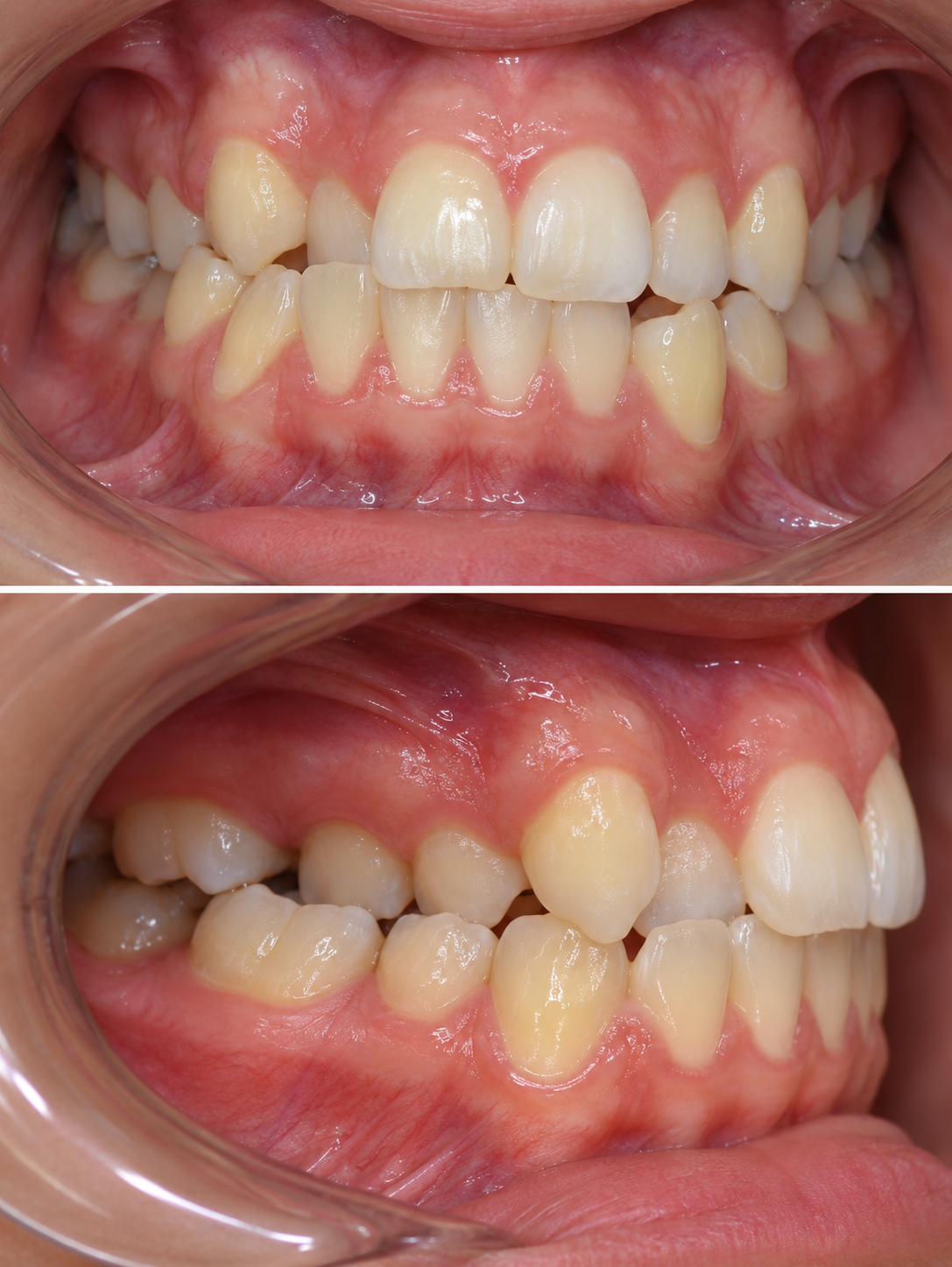
These concerns may involve crowding, spacing, tooth position, or the way the upper and lower teeth come together. Some problems primarily affect appearance, while others can influence chewing, oral hygiene, tooth wear, or jaw function.
COMMON CONDITIONS
Common Orthodontic Problems
Orthodontic treatment may be used to improve a variety of tooth-alignment and bite concerns.
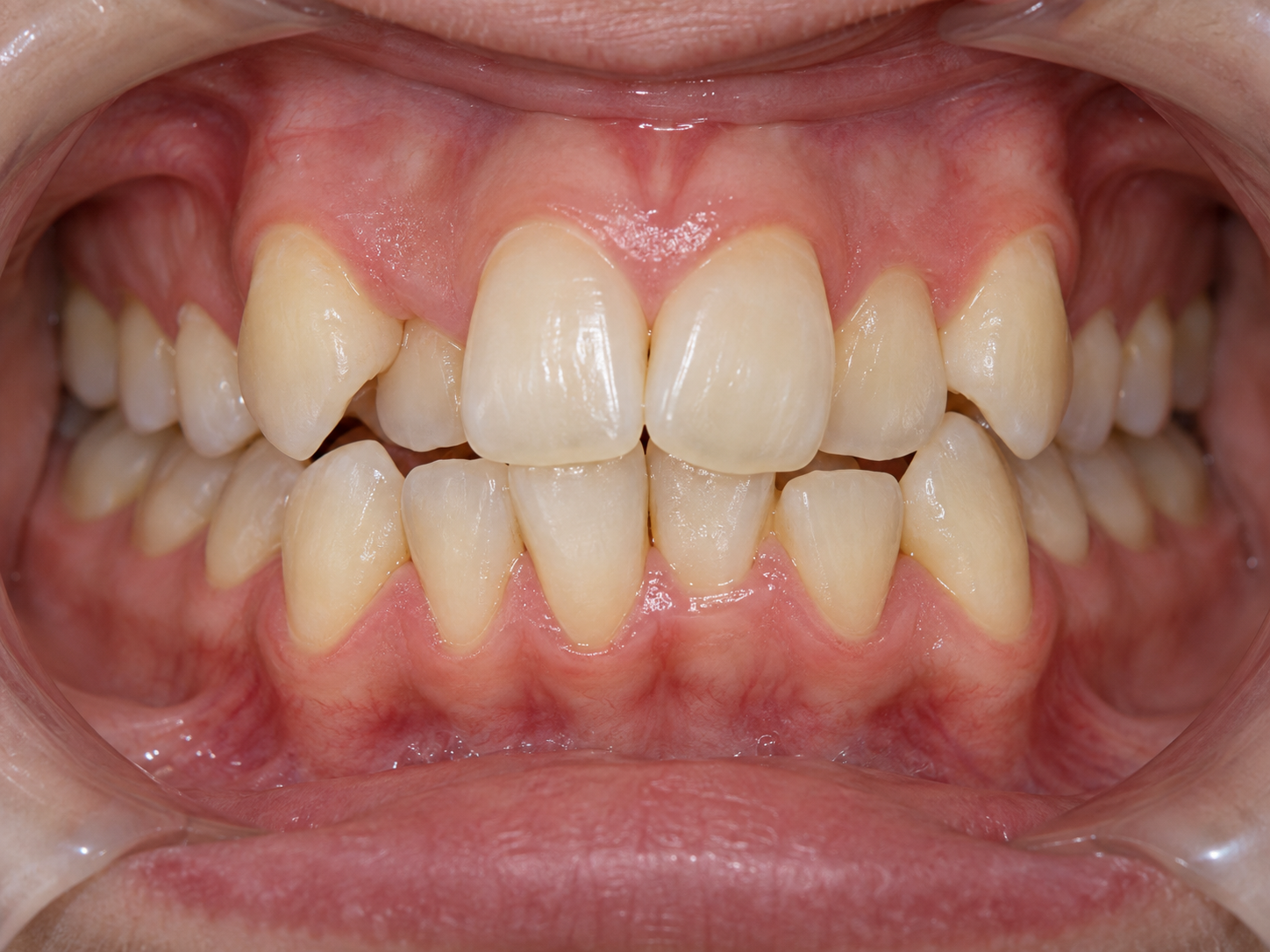
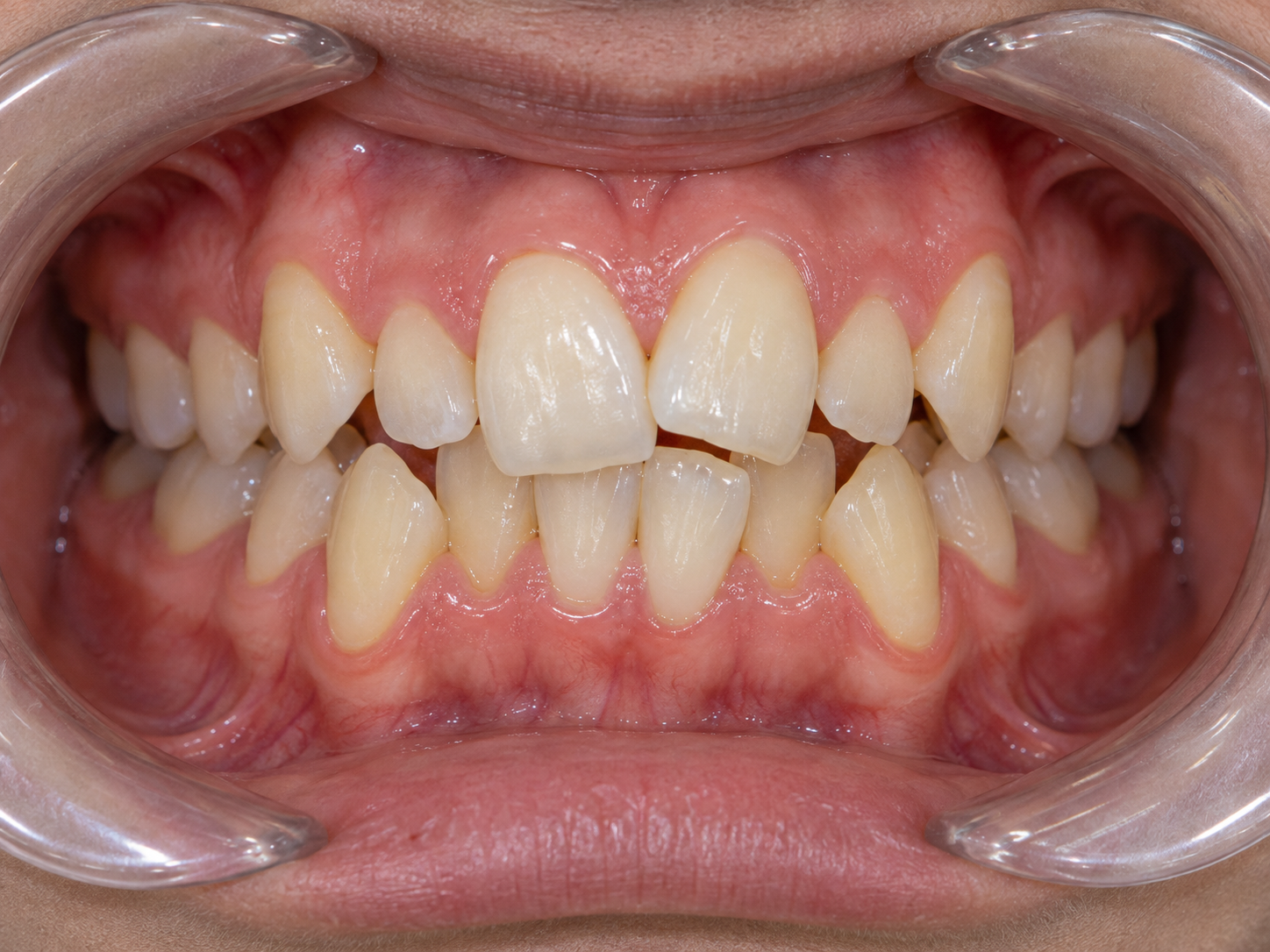
Crowded Teeth
When there is not enough space for the teeth to align properly, braces can help guide them into improved positions.
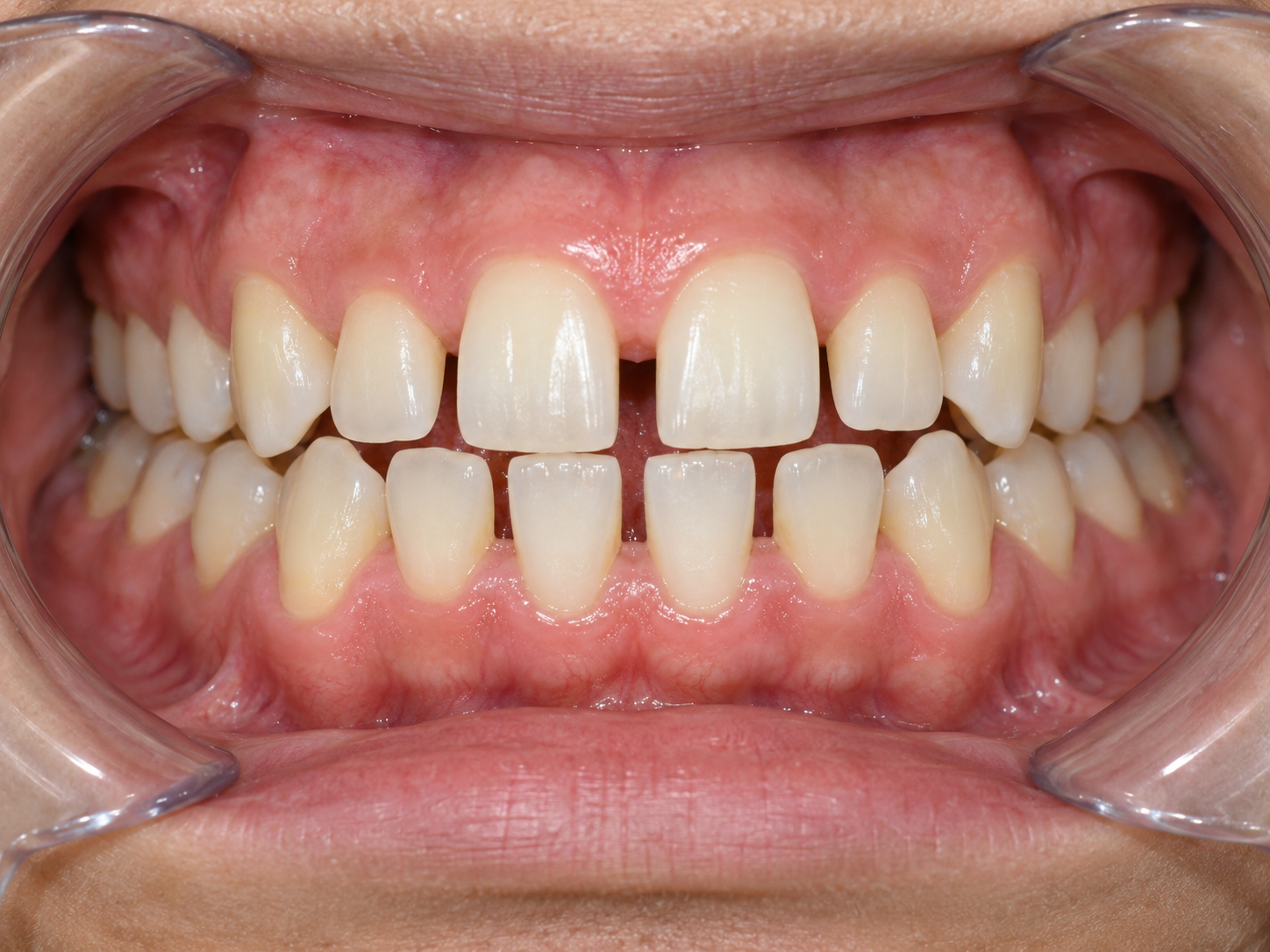
Spaces Between Teeth
Orthodontic treatment can help close unwanted gaps and improve the spacing between teeth.
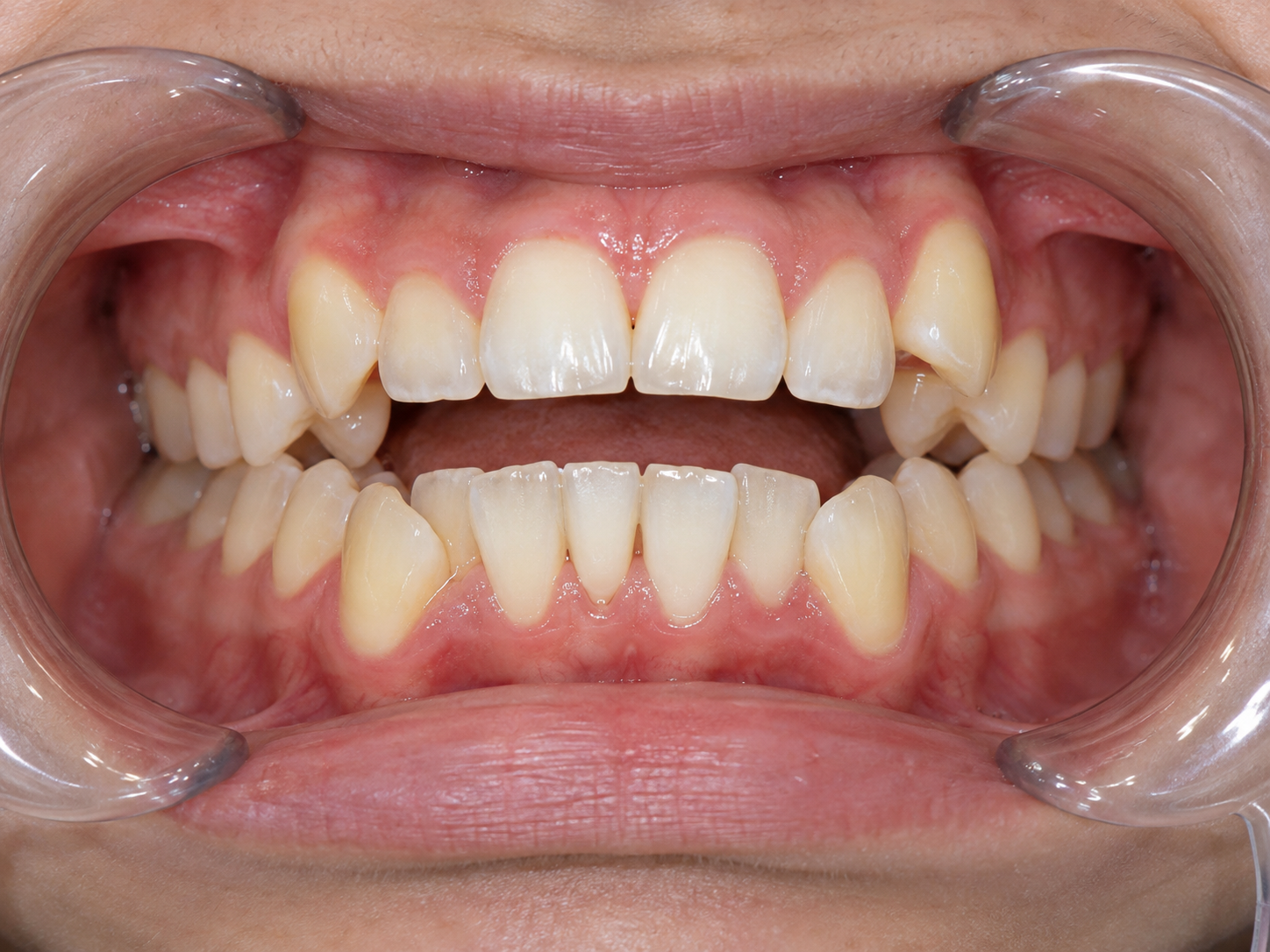
Bite Problems
Braces may be used to improve concerns such as overbite, underbite, crossbite, or open bite.
Crooked or Rotated Teeth
Teeth that are tilted, rotated, or out of alignment can often be repositioned through orthodontic treatment.
BITE PROBLEMS
Different Types of Bite Problems
The relationship between the upper and lower teeth can affect both appearance and function.
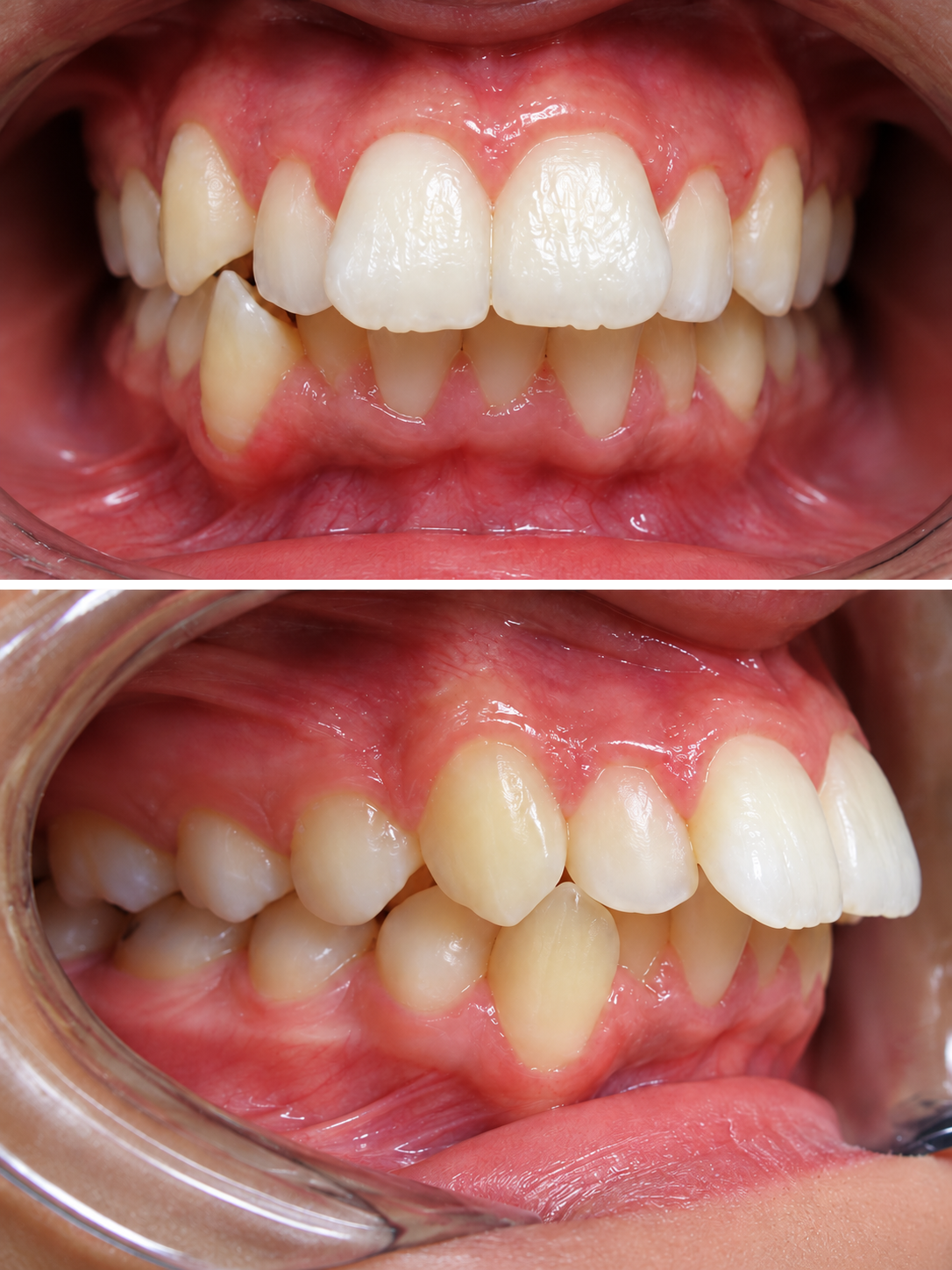
Overbite
An overbite occurs when the upper front teeth extend too far forward in front of the lower front teeth.
Underbite
An underbite occurs when the lower front teeth sit in front of the upper front teeth when the mouth is closed.
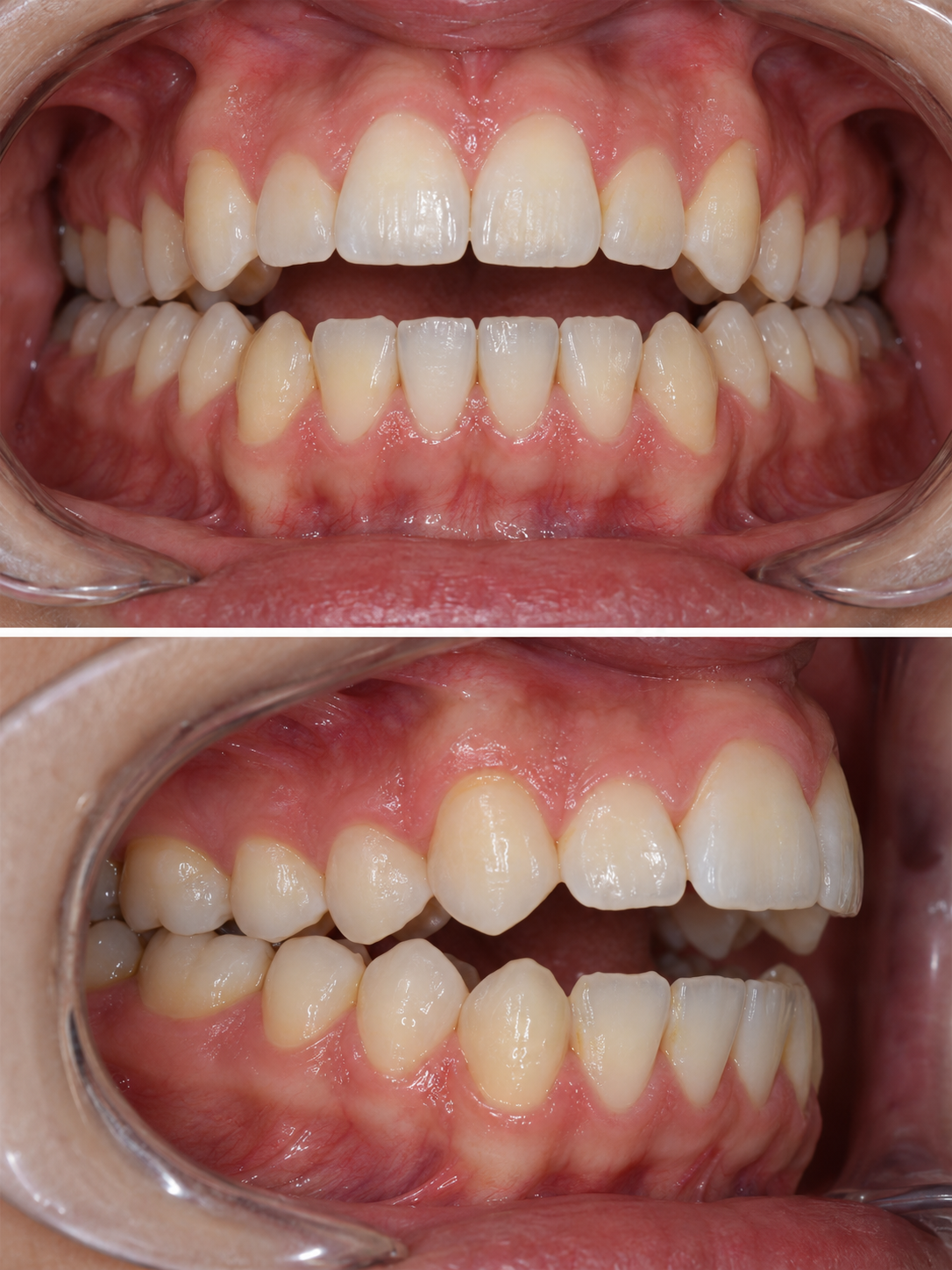
Open Bite
An open bite occurs when the upper and lower teeth do not meet in certain areas when the mouth is closed.
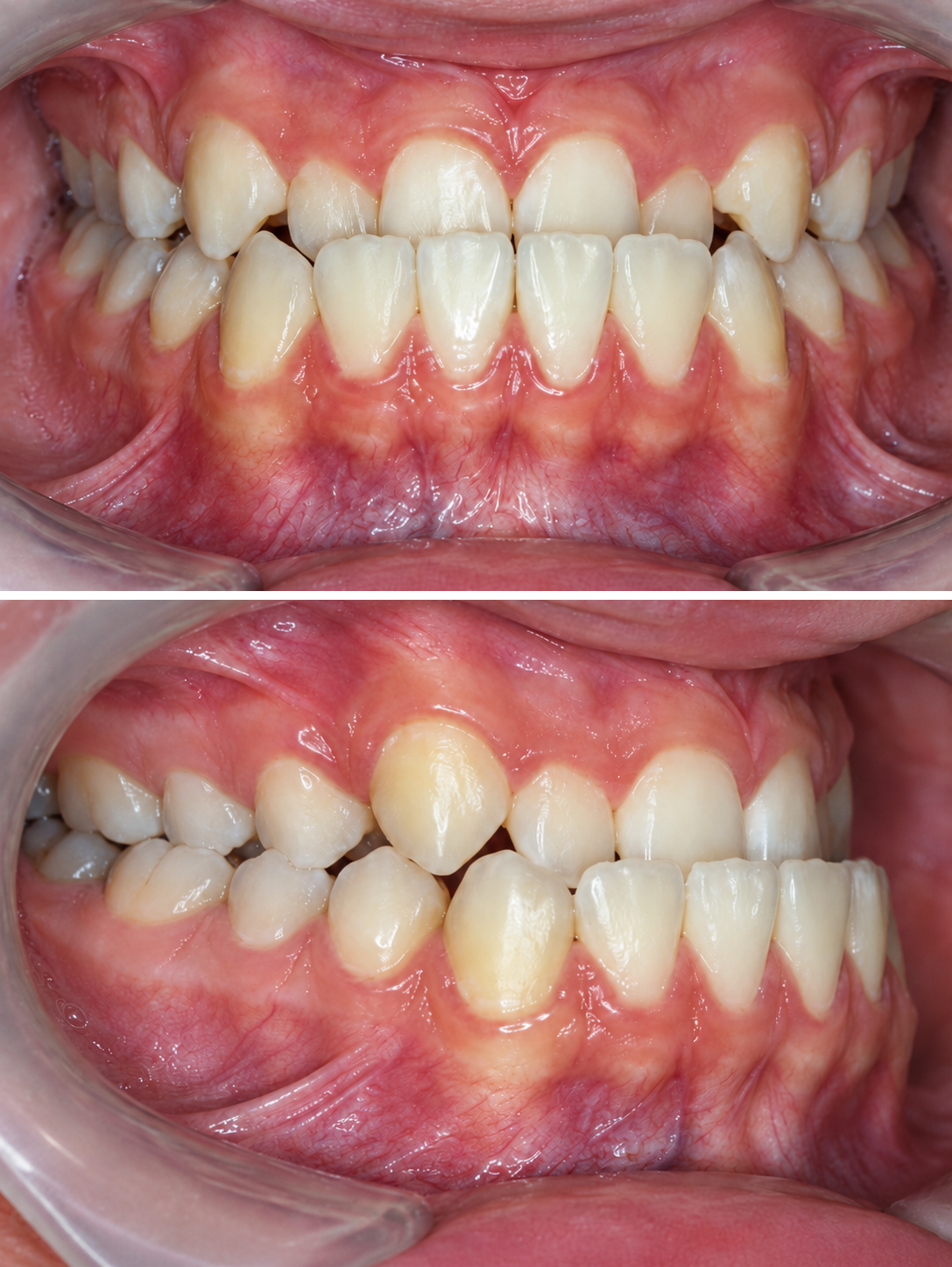
Crossbite
A crossbite occurs when one or more upper teeth bite inside the lower teeth instead of outside them.
WHY TREATMENT MAY HELP
Why Orthodontic Problems May Need Treatment
Orthodontic treatment is not only about creating a straighter smile. Correcting certain problems can also improve the way the teeth function and make them easier to maintain.
Improve Tooth Alignment
Moving teeth into better positions can improve the appearance of the smile and create a more balanced arrangement of the teeth.
Improve the Bite
Orthodontic treatment can help improve how the upper and lower teeth fit together during biting and chewing.
Make Oral Hygiene Easier
Straighter teeth may be easier to brush and floss because there are fewer overlapping or difficult-to-reach areas.
Reduce Uneven Tooth Wear
Improving tooth and bite relationships may help reduce excessive or uneven forces on certain teeth.
ORTHODONTIC EVALUATION
How We Evaluate Your Teeth and Bite
Your orthodontist will evaluate both tooth position and jaw relationships before recommending treatment.
Clinical Examination
Your orthodontist will examine the position of the teeth, the bite, and the relationship between the upper and lower jaws.
Diagnostic Records
Photographs, X-rays, and digital scans or impressions may be used to evaluate tooth position and plan treatment.
Personalized Treatment Plan
Based on the findings, your orthodontist will recommend the treatment option and timing that best fit your needs.
TREATMENT OPTIONS
How Orthodontic Problems May Be Treated
Treatment depends on the type and severity of the orthodontic problem, as well as the patient’s age, growth, and treatment goals.
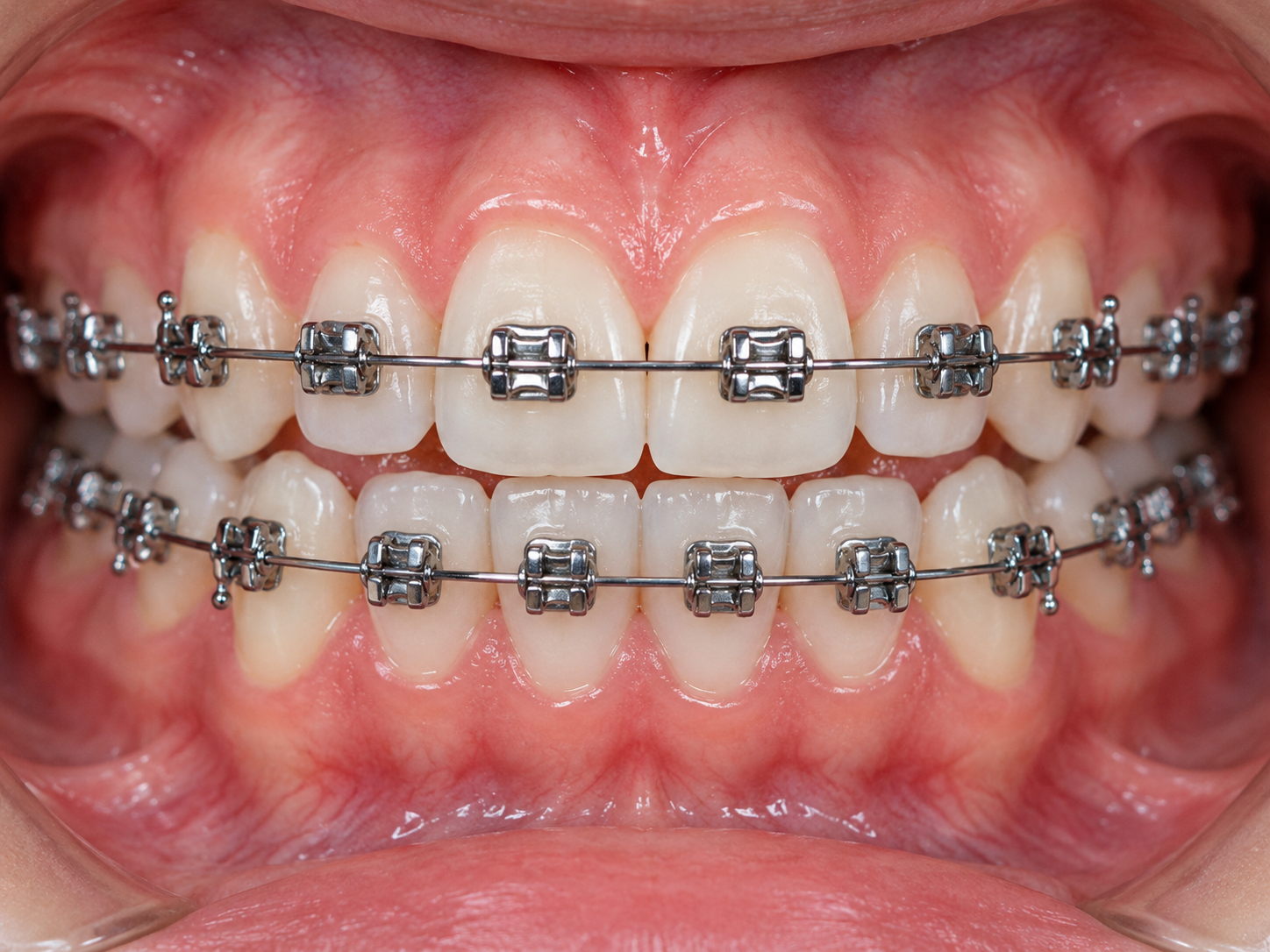
Traditional Metal Braces
Traditional metal braces use brackets and wires to gradually move the teeth into better alignment. They remain one of the most versatile options for treating a wide range of orthodontic concerns.
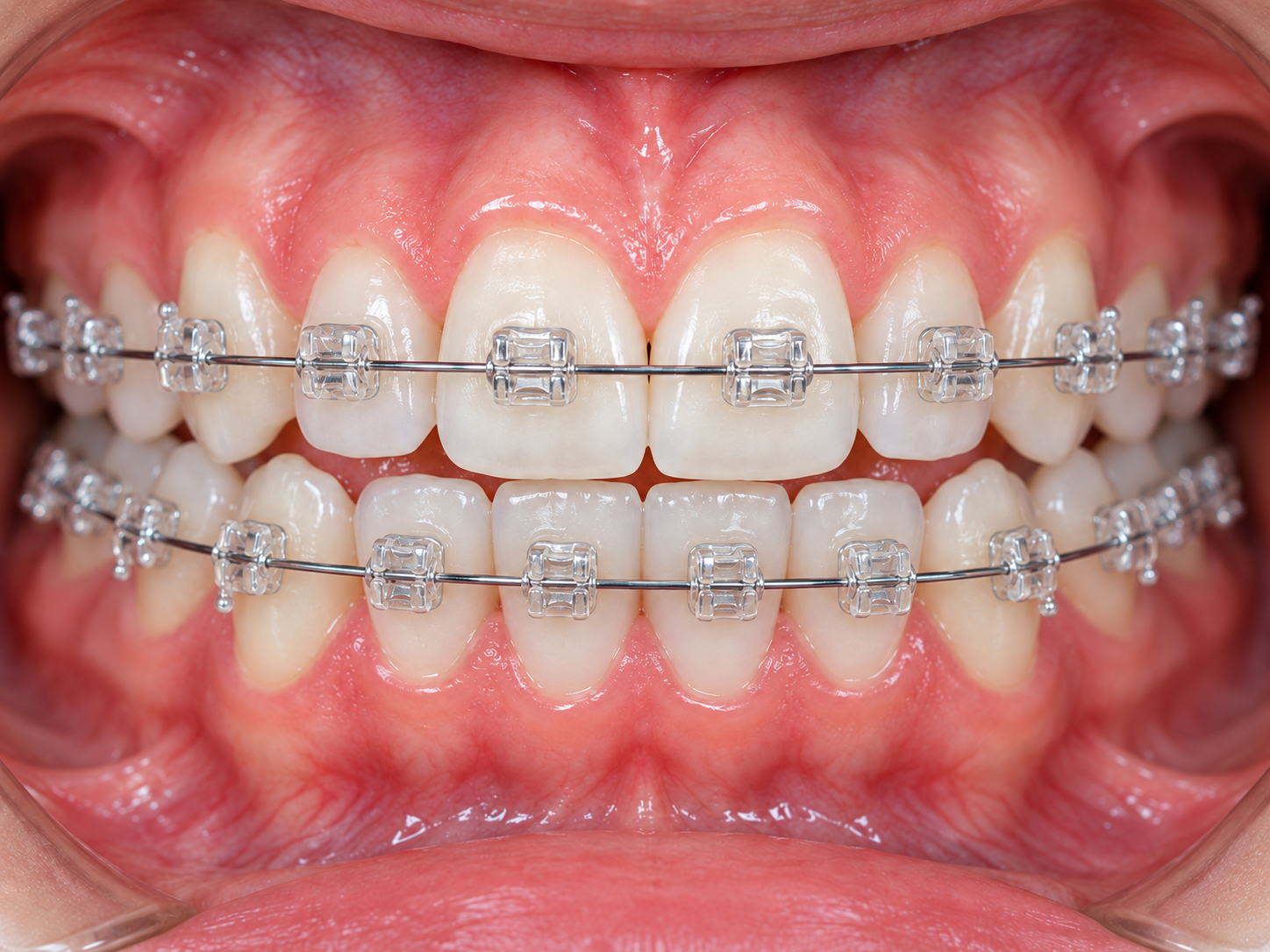
Crystal Clear Braces
Crystal clear braces offer a more discreet orthodontic option while providing the same reliable tooth movement as traditional braces. Their clear appearance helps them blend in more naturally with your smile.
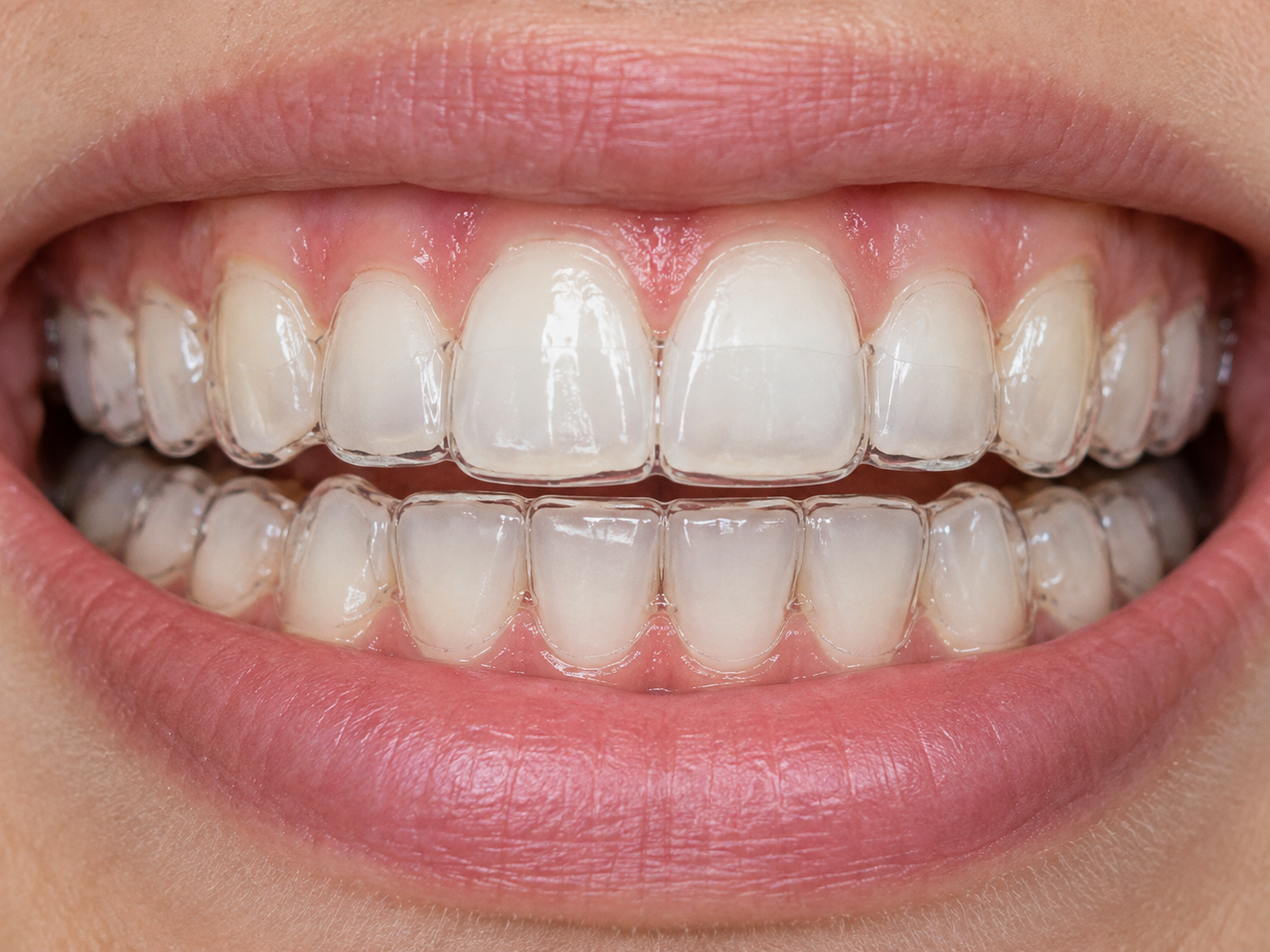
Invisalign® (Clear Aligners)
Invisalign® uses a series of removable clear aligners to gradually move the teeth. It may be an option for many teens and adults who prefer a more discreet orthodontic treatment.
RELATED ORTHODONTIC SERVICES
Explore More Orthodontic Care
Learn more about orthodontic treatment options and the conditions that may affect developing smiles.
Invisalign®
Clear aligners may be an alternative to braces for many teens and adults.